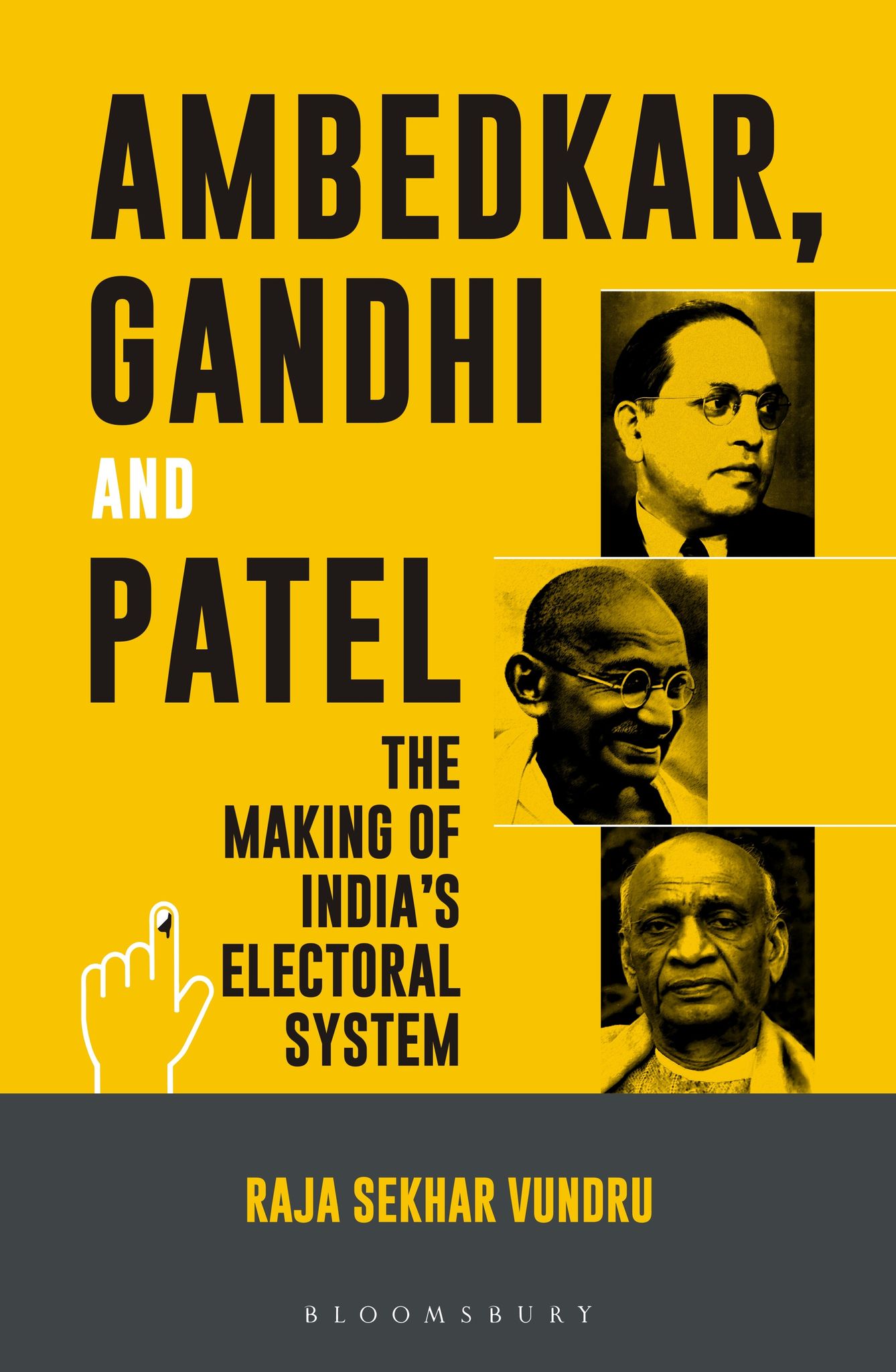

In 1931 Mahatma Gandhi and Dr. B R Ambedkar met in London and clashed on the future of India’s electoral system. Later in 1932 when the British announced reserved seats for dalits, Gandhi went on a fast unto death. Ambedkar saved his life by agree...
अधिक पढ़ेंविक्रेता
Ambedkar, Gandhi and Patel
मुख्य विशेषताएं
| उद्गम देश | भारत |
|---|---|
| ब्रैंड | Bloomsbury |
| शुद्ध मात्रा | 1 piece |
| निर्माता या पैकर का नाम | Bloomsbury India |
In 1931 Mahatma Gandhi and Dr. B R Ambedkar met in London and clashed on the future of India’s electoral system. Later in 1932 when the British announced reserved seats for dalits, Gandhi went on a fast unto death. Ambedkar saved his life by agreeing to the changed terms of representation, which changed the course of electoral system of India.
The Gandhi - Ambedkar engagement was only on the electoral system and method of election by separate electorates which Muslims enjoyed till then. Till the partition of India in 1947, the draft Constitution provided reserved seats for minorities and Dalits, which Sardar Patel chose to abolish. The fate of India’s electoral system shifted to Ambedkar and Sardar Patel after Gandhi's assassination in 1948. Sardar Patel tried to abolish reserved seats for Dalits also in 1948 only to be thwarted by Ambedkar. Those reserved seats continue.
Based on a singular pursuit of tracing the electoral system and methods that define India-the world’s largest democracy, this book is the first to document the evolution and account of electoral history of colonial and independent India. Do we know how Sardar Patel and Gandhi used electoral system to integrate India? Since the first provincial elections in 1937, do we know that double member constituencies existed till 1961, only to be abolished by Jawaharlal Nehru? Do we know that Ambedkar lost his first election in independent India because voters threw away their ballots? If we need women reserved seats, we need to know that we might have to try to double member constituencies. This book tells all.
The story of electoral thoughts and ideas of Ambedkar, Gandhi and Patel and Ambedkar’s struggle to get a representative electoral system appear for the first time in a book. In India only election results are predicted, analysed and compiled. The electoral method that determines India’s every election comes into focus in this book. Can any political party get away without offering tickets to one minority community or Dalits? The history is the answer to the future - through this book.
The Gandhi - Ambedkar engagement was only on the electoral system and method of election by separate electorates which Muslims enjoyed till then. Till the partition of India in 1947, the draft Constitution provided reserved seats for minorities and Dalits, which Sardar Patel chose to abolish. The fate of India’s electoral system shifted to Ambedkar and Sardar Patel after Gandhi's assassination in 1948. Sardar Patel tried to abolish reserved seats for Dalits also in 1948 only to be thwarted by Ambedkar. Those reserved seats continue.
Based on a singular pursuit of tracing the electoral system and methods that define India-the world’s largest democracy, this book is the first to document the evolution and account of electoral history of colonial and independent India. Do we know how Sardar Patel and Gandhi used electoral system to integrate India? Since the first provincial elections in 1937, do we know that double member constituencies existed till 1961, only to be abolished by Jawaharlal Nehru? Do we know that Ambedkar lost his first election in independent India because voters threw away their ballots? If we need women reserved seats, we need to know that we might have to try to double member constituencies. This book tells all.
The story of electoral thoughts and ideas of Ambedkar, Gandhi and Patel and Ambedkar’s struggle to get a representative electoral system appear for the first time in a book. In India only election results are predicted, analysed and compiled. The electoral method that determines India’s every election comes into focus in this book. Can any political party get away without offering tickets to one minority community or Dalits? The history is the answer to the future - through this book.
| उद्गम देश | भारत |
|---|---|
| ब्रैंड | Bloomsbury |
| साधारण नाम | Books |
| शुद्ध मात्रा | 1 piece |
| निर्माता या पैकर का नाम | Bloomsbury India |
| निर्माता या पैकर का पता | 2nd Floor, Building no.4, C-6&7, No, DDA Complex, Pocket 6, Sector C, Vasant Kunj, New Delhi, Delhi 110257 |
| निर्माण तिथि | As per product batch |
| आईएसबीएन | 9789356400016 |
विक्रेता के अन्य उत्पाद Rupa Publications India Pvt Ltd
₹215₹295 ( 27% बंद )
₹631₹895 ( 29% बंद )
₹145₹195 ( 26% बंद )
₹145₹195 ( 26% बंद )
₹145₹195 ( 26% बंद )
₹145₹195 ( 26% बंद )




₹284₹395 ( 28% बंद )

₹145₹195 ( 26% बंद )
₹357₹499 ( 28% बंद )