



Hunar SetuHunar Setu is a social initiative that connects skilled artisans and craftsmen with buyers, businesses, and communities that value their work. India’s artisans carry centuries of tradition, culture, and craftsmanship, but many of them struggle to access markets, technology, and fair opportunities. Hunar Setu was created to bridge this gap.https://www.hunarsetu.com/s/62ea2c599d1398fa16dbae0a/676523772eb3cf19c22b9674/hunarsetu1-logo-1--480x480.png
Vatika Business Park, Sector 49, Sohna Road122018GurugramIN
Hunar Setu
Vatika Business Park, Sector 49, Sohna RoadGurugram, IN
+918800503208https://www.hunarsetu.com/s/62ea2c599d1398fa16dbae0a/676523772eb3cf19c22b9674/hunarsetu1-logo-1--480x480.png"[email protected]
65491061ea791c2beb670dc8Tomato

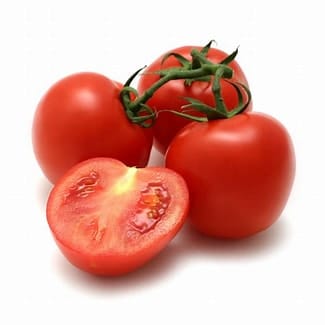
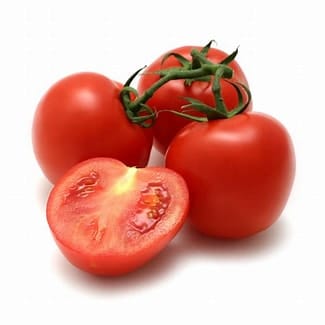
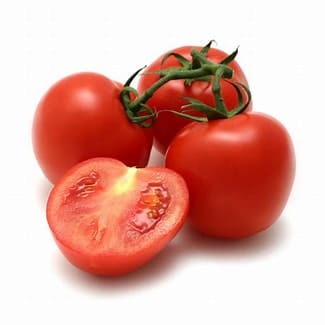
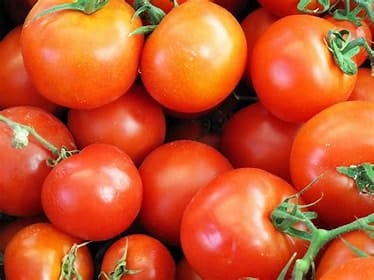
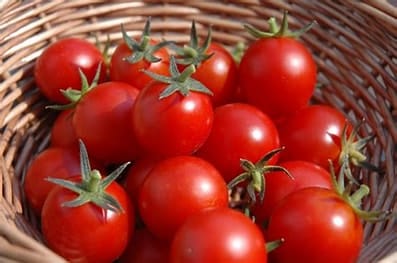
The tomato (/təmt/ or /təmɑːt/) is the edible berry of the plant Solanum lycopersicum,[1][2] commonly known as the tomato plant. The species originated in western South America, Mexico, and Central America.[2][3] The Nahuatl word tomatl gave rise to the Spanish word tomate, from which the English word tomato derived.[3][4] Its domestication and use as a cultivated food may have originated with the indigenous peoples of Mexico.[2][5] The Aztecs used tomatoes in their cooking at the time of the Spanish conquest of the Aztec Empire, and after the Spanish encountered the tomato for the first time after their contact with the Aztecs, they brought the plant to Europe, in a widespread transfer of plants known as the Columbian exchange. From there, the tomato was introduced to other parts of the European-colonized world during the 16th century.[2]

Tomatoes are a significant source of umami flavor.[6] They are consumed in diverse ways: raw or cooked, and in many dishes, sauces, salads, and drinks. While tomatoes are fruitsbotanically classified as berries—they are commonly used culinarily as a vegetable ingredient or side dish.[3]

Numerous varieties of the tomato plant are widely grown in temperate climates across the world, with greenhouses allowing for the production of tomatoes throughout all seasons of the year. Tomato plants typically grow to 1–3 meters (3–10 ft) in height. They are vines that have a weak stem that sprawls and typically needs support.[2] Indeterminate tomato plants are perennials in their native habitat, but are cultivated as annuals. (Determinate, or bush, plants are annuals that stop growing at a certain height and produce a crop all at once.) The size of the tomato varies according to the cultivar, with a range of 1–10 cm (12–4 in) in width.[2]

MS-YE7D0N2GYCU
INR70In Stock

The tomato (/təmt/ or /təmɑːt/) is the edible berry of the plant Solanum lycopersicum,[1][2] commonly known as the tomato plant. The species originated in western South America, Mexico, and Central America.[2][3] The Nahuatl word tomatl gave rise to the Spanish word tomate, from which the English word tomato derived.[3][4] Its domestication and use as a cultivated food may have originated with the indigenous peoples of Mexico.[2][5] The Aztecs used tomatoes in their cooking at the time of the Spanish conquest of the Aztec Empire, and after the Spanish encountered the tomato for the first time after their contact with the Aztecs, they brought the plant to Europe, in a widespread transfer of plants known as the Columbian exchange. From there, the tomato was introduced to other parts of the European-colonized world during the 16th century.[2]

Tomatoes are a significant source of umami flavor.[6] They are consumed in diverse ways: raw or cooked, and in many dishes, sauces, salads, and drinks. While tomatoes are fruitsbotanically classified as berries—they are commonly used culinarily as a vegetable ingredient or side dish.[3]

Numerous varieties of the tomato plant are widely grown in temperate climates across the world, with greenhouses allowing for the production of tomatoes throughout all seasons of the year. Tomato plants typically grow to 1–3 meters (3–10 ft) in height. They are vines that have a weak stem that sprawls and typically needs support.[2] Indeterminate tomato plants are perennials in their native habitat, but are cultivated as annuals. (Determinate, or bush, plants are annuals that stop growing at a certain height and produce a crop all at once.) The size of the tomato varies according to the cultivar, with a range of 1–10 cm (12–4 in) in width.[2]

Country of originIndia
Common nameTomato
Net Quantity1 kilogram
contact details consumer careAssar Vegetables Producer Company Limited, [email protected]
Store Genie