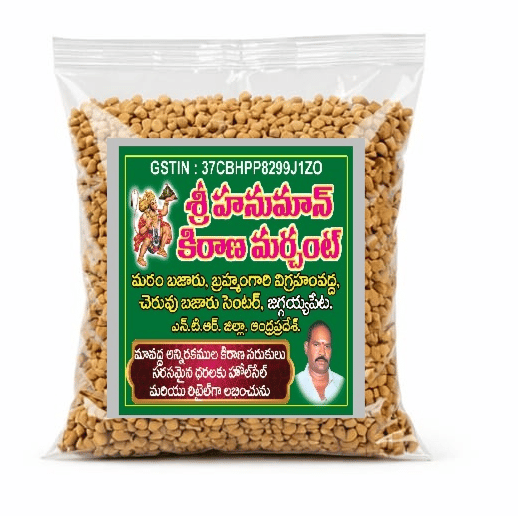

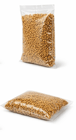
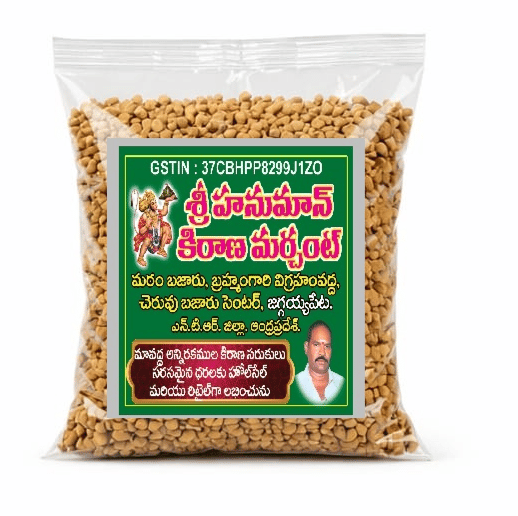
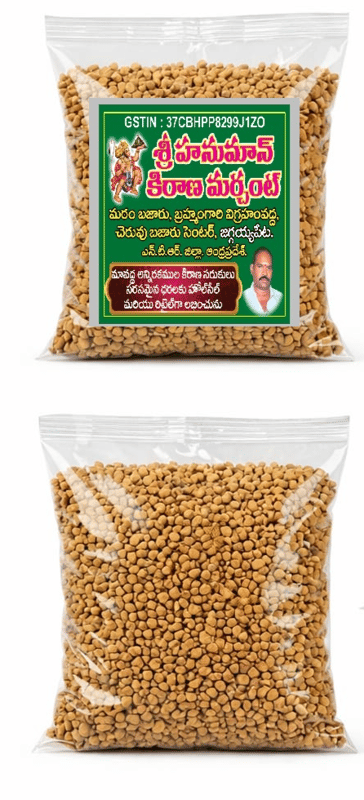
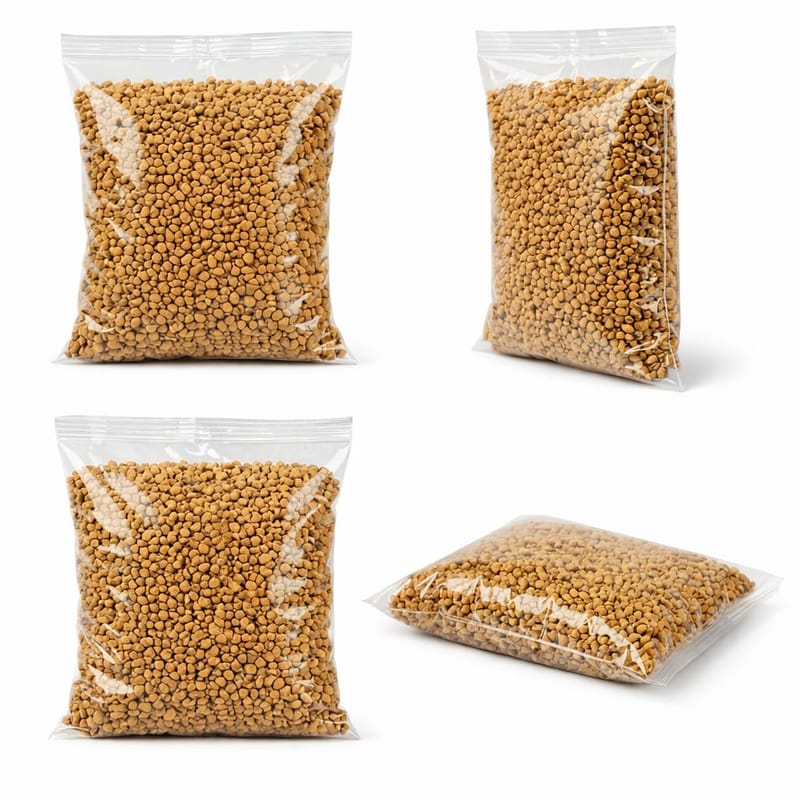
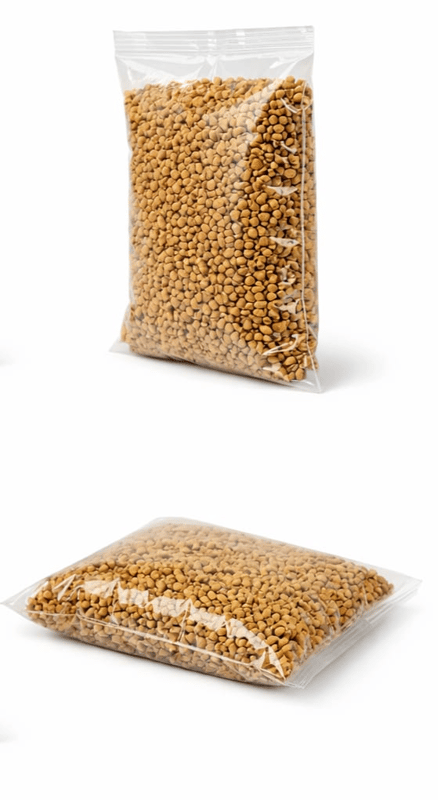

- Fenugreek (Trigonella foenum-graecum) is an annual plant belonging to the Fabaceae family. It features leaves made up ...
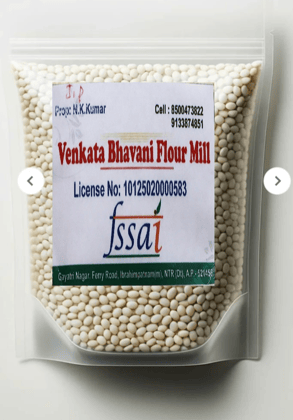
Aanjaneeyya Traders Organic Fenugreek Seeds (menthulu) – 250 Grams
Veg
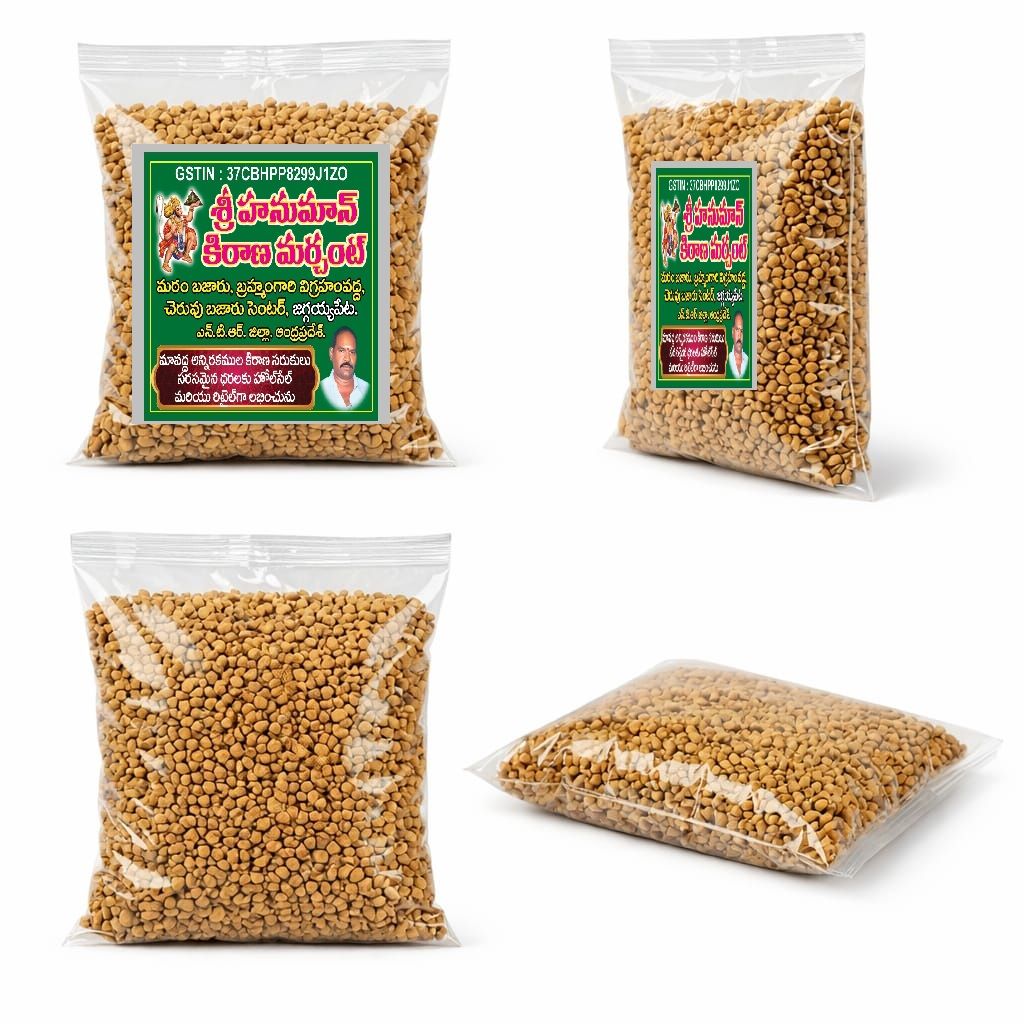
Key Attributes
| Country of origin | India |
|---|---|
| Brand | AP MEPMA |
| Net Quantity | 500 gram |
| Product Dimensions | 10L x 6W x 10H cm |
| Manufacturer or packer name | APMEPMA-KONDAPALLI |
- Fenugreek (Trigonella foenum-graecum) is an annual plant belonging to the Fabaceae family. It features leaves made up of three small obovate to oblong leaflets and is widely cultivated as a semi-arid crop across the world.
- Fenugreek seeds and leaves are extensively used in Indian cuisine and have been valued as a culinary ingredient since ancient times. The seeds are commonly used as a spice, while the fresh leaves are consumed as a vegetable. When used in normal food quantities, fenugreek is considered safe.
- India holds a leading position in the global production and export of fenugreek, with Rajasthan accounting for the largest share of its cultivation and output within the country.
- In traditional systems such as Ayurveda, fenugreek is included in various formulations and is commonly used for applications related to dry skin, boils, and hair care. However, while fenugreek is widely consumed as a dietary supplement, there is no strong clinical evidence confirming specific therapeutic benefits. In some cases, excessive use may cause adverse effects, including allergic reactions.
| Country of origin | India |
|---|---|
| Brand | AP MEPMA |
| Common name | MENTHULU |
| Net Quantity | 500 gram |
| Weight | 500 g |
| Package Dimension | 10L x 6W x 10H cm |
| Product Dimensions | 10L x 6W x 10H cm |
| Food type | veg |
| Manufacturer or packer name | APMEPMA-KONDAPALLI |
| Manufacturer or packer address | 1/1 GROUND FLOOR,STATE GUST HOUSE,Vijayawada |
| Manufacturing Date | 11-02-2026 |
| Nutritional information | I |
| contact details consumer care | APMEPMA-KONDAPALLI, [email protected] |
Other Products from seller APMEPMA-KONDAPALLI
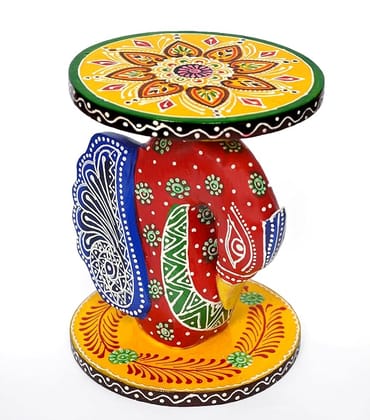
₹1,800₹2,500 ( 28% OFF )
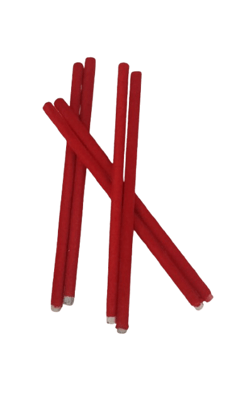
₹100₹200 ( 50% OFF )
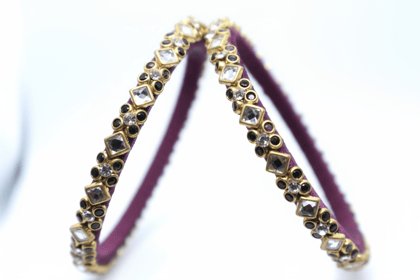
₹550₹750 ( 27% OFF )
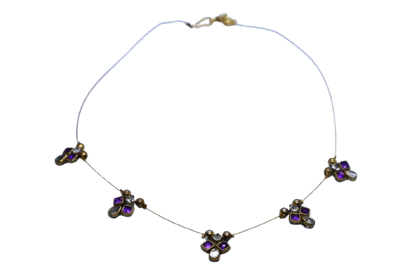
₹750₹1,000 ( 25% OFF )
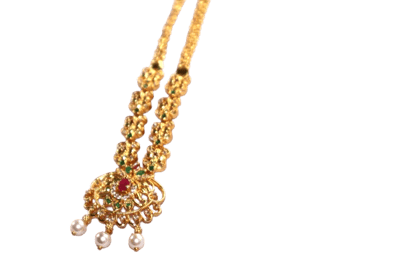
₹1,050₹2,000 ( 48% OFF )
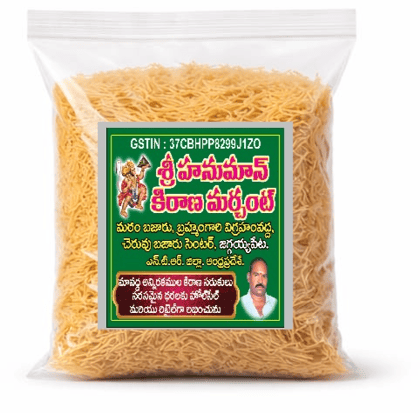
₹100₹200 ( 50% OFF )
₹150₹300 ( 50% OFF )
₹750₹1,500 ( 50% OFF )
₹450₹650 ( 31% OFF )
₹3,500₹5,000 ( 30% OFF )

₹115₹250 ( 54% OFF )