
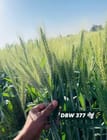
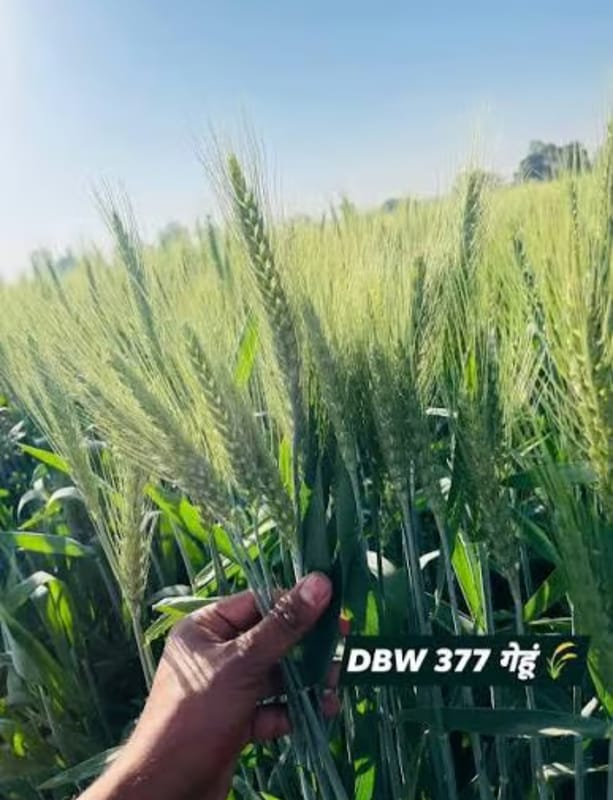
- DBW 377 (known as Karan Bold) is a high-yielding, early-maturing bread wheat variety developed by the ICAR-Indian Institute of Wheat and Barley Research (IIWBR) in Karnal and released in 2024 for irrigated, early-sown conditions in the Ce...
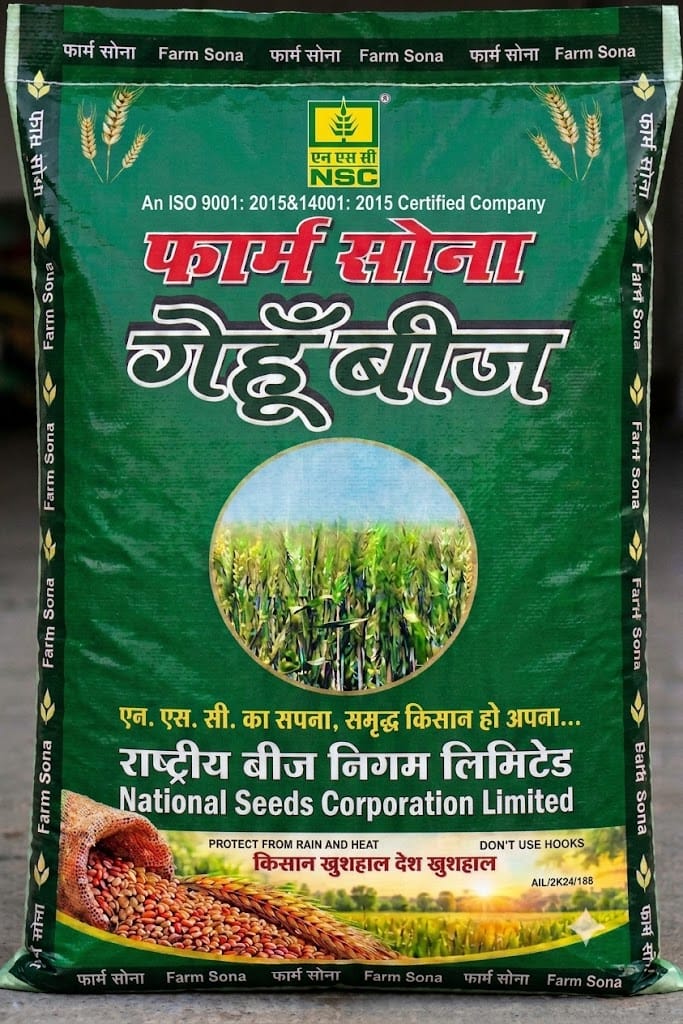
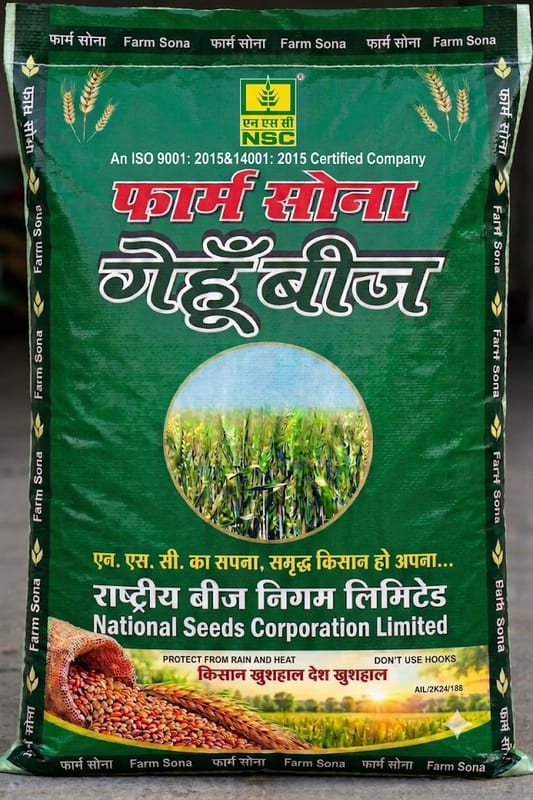
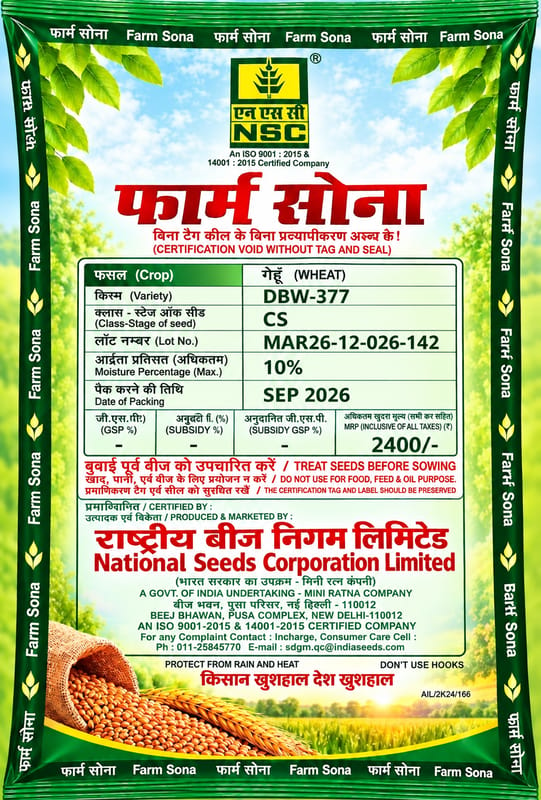
Nsc Wheat Dbw-377, 40 Kg Certified Seed Bag.
Key Attributes
| Country of origin | India |
|---|---|
| Brand | NSC |
| Net Quantity | 40 kilogram |
| Manufacturer or packer name | NSC-Raipur |
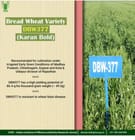
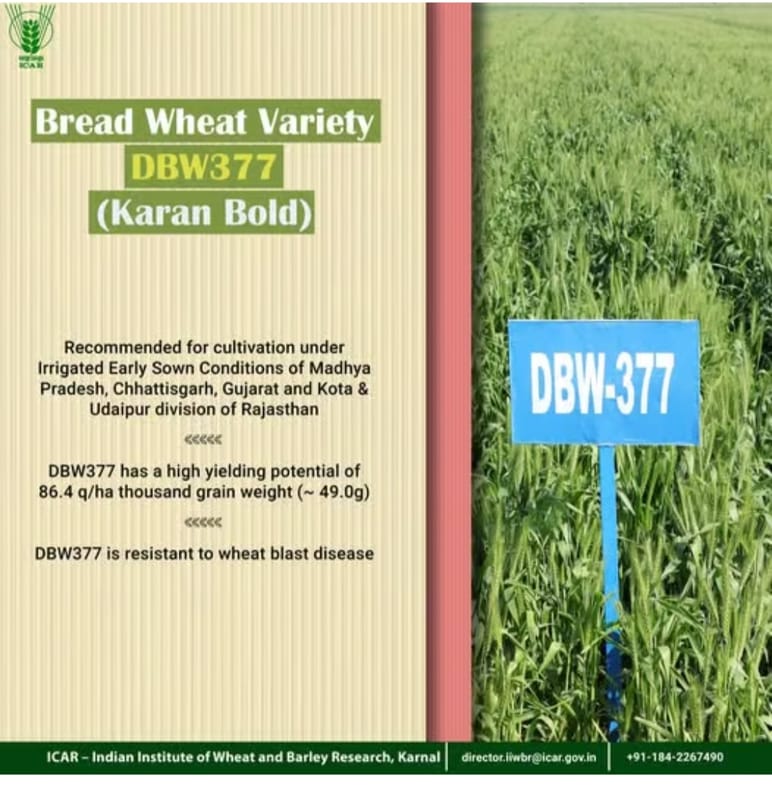
- DBW 377 (known as Karan Bold) is a high-yielding, early-maturing bread wheat variety developed by the ICAR-Indian Institute of Wheat and Barley Research (IIWBR) in Karnal and released in 2024 for irrigated, early-sown conditions in the Central Zone of India.•• Yield Potential: Up to 86.4 quintals per hectare under optimal conditions, with a mean yield around 63.9 q/ha.
- Grain Size: Bold, bright grains with a 1,000-grain weight of about 48 to 50 grams.
- Quality & Nutrition: Protein content is roughly 11.7%, offering strong chapati (7.7/10 score) and biscuit/baking qualities.
- Disease Resistance: Good resistance against leaf/brown rust, stem/black rust, wheat blast, and karnal bunt. Recommended Region: Madhya Pradesh, Chhattisgarh, Gujarat, the Jhansi division of Uttar Pradesh, and the Kota and Udaipur divisions of Rajasthan.
- Sowing Window: Early November (typically November 1 to November 10).
- Seed Rate: Approximately 100 kg per hectare
| Country of origin | India |
|---|---|
| Brand | NSC |
| Common name | Wheat Karan Bold |
| Net Quantity | 40 kilogram |
| Expiry Date | 9 Months |
| Package Dimension | 80L x 35W x 72H cm |
| Manufacturer or packer name | NSC-Raipur |
| Manufacturer or packer address | 32/1068, Indira Chowk, shyam nagar, Raipur C.G-492001. |
| Manufacturing Date | Sep 2026 |
| contact details consumer care | NSC-Raipur, [email protected] |
Other Products from seller NSC-Raipur
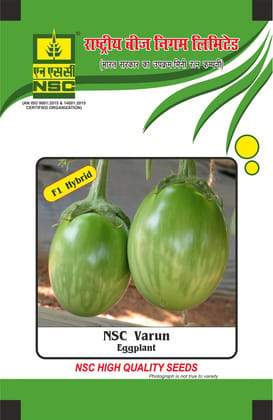
₹301₹430 ( 30% OFF )
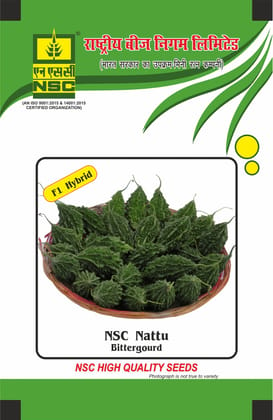
₹560₹800 ( 30% OFF )
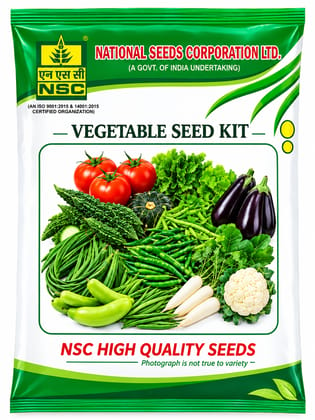
₹120₹175 ( 31% OFF )
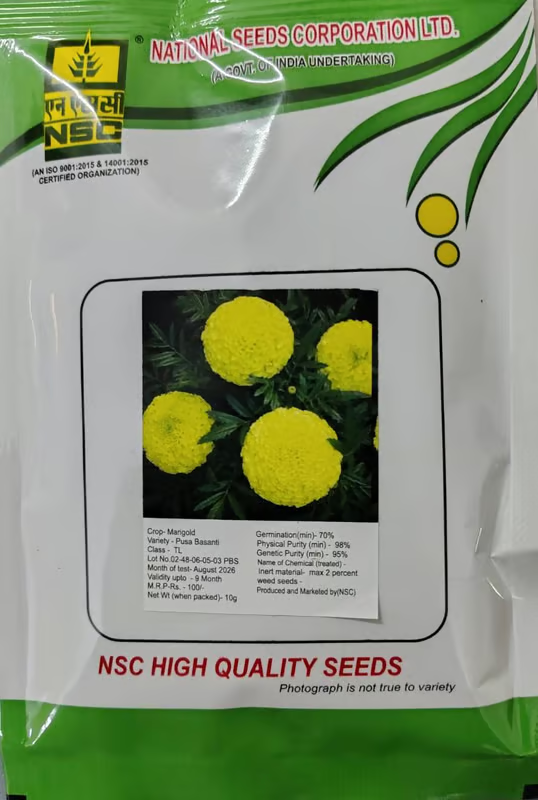
₹90₹100 ( 10% OFF )
₹60₹70 ( 14% OFF )
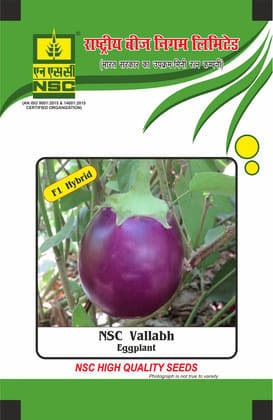
₹210₹300 ( 30% OFF )
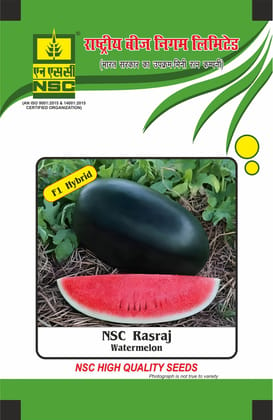
₹1,890₹2,700 ( 30% OFF )
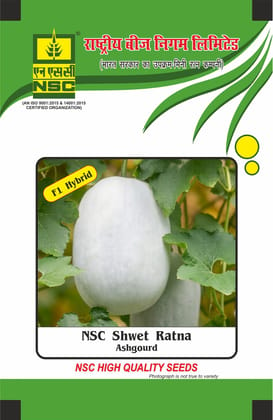
₹322₹460 ( 30% OFF )
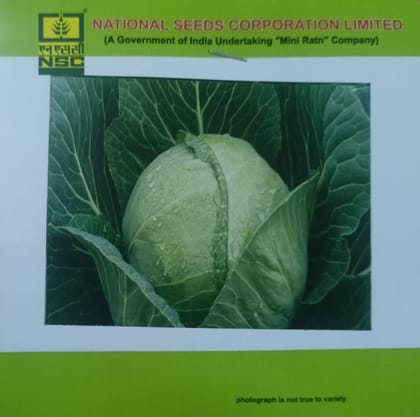
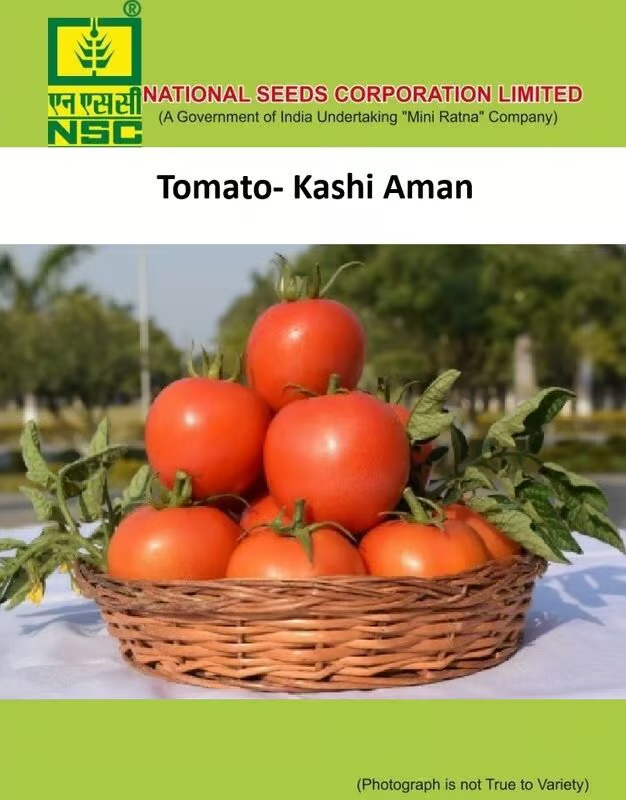
₹52₹120 ( 57% OFF )
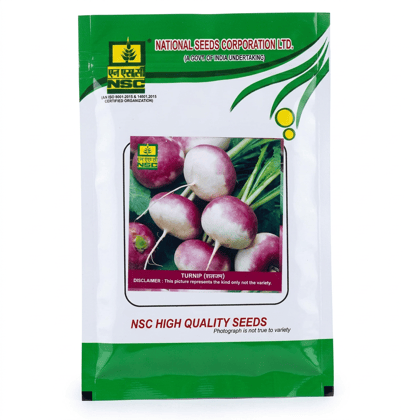
₹55₹77 ( 29% OFF )
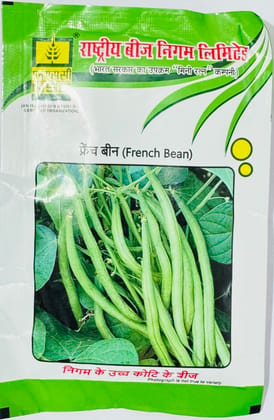
₹50₹88 ( 43% OFF )
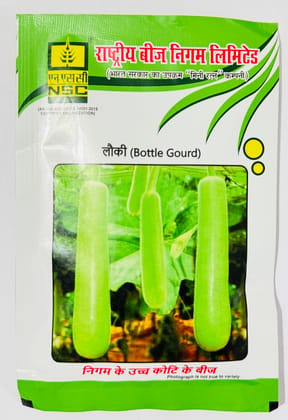
₹128₹155 ( 17% OFF )
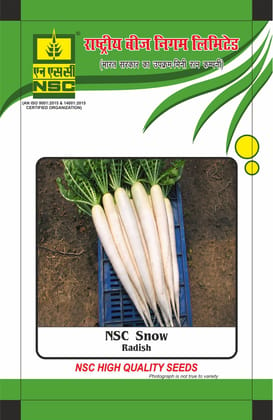
₹39₹56 ( 30% OFF )
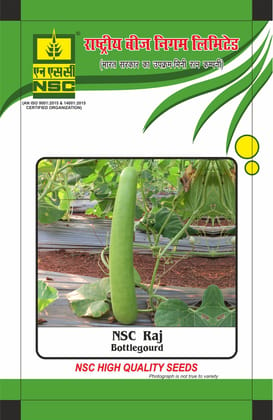
₹20₹30 ( 33% OFF )