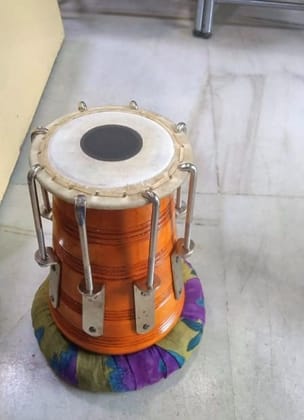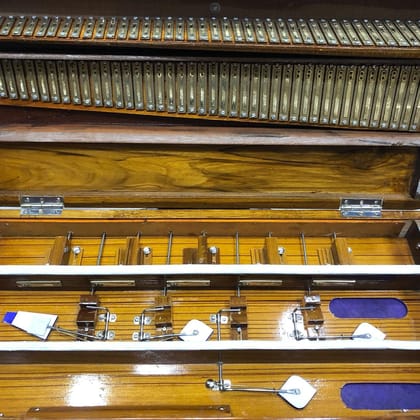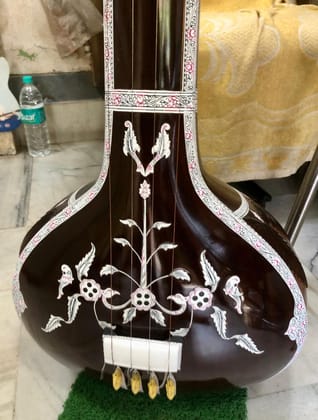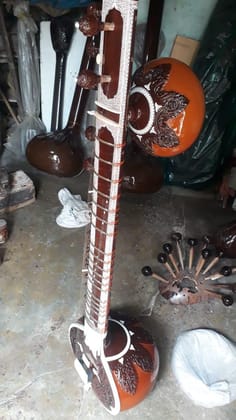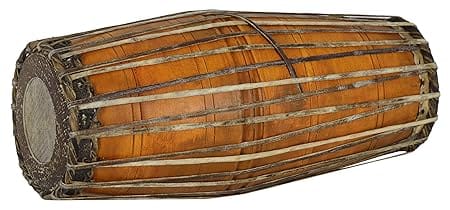

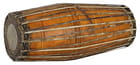
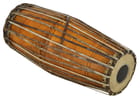
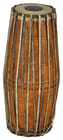
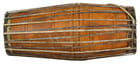
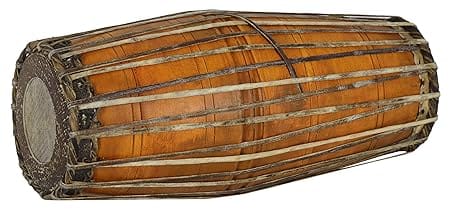
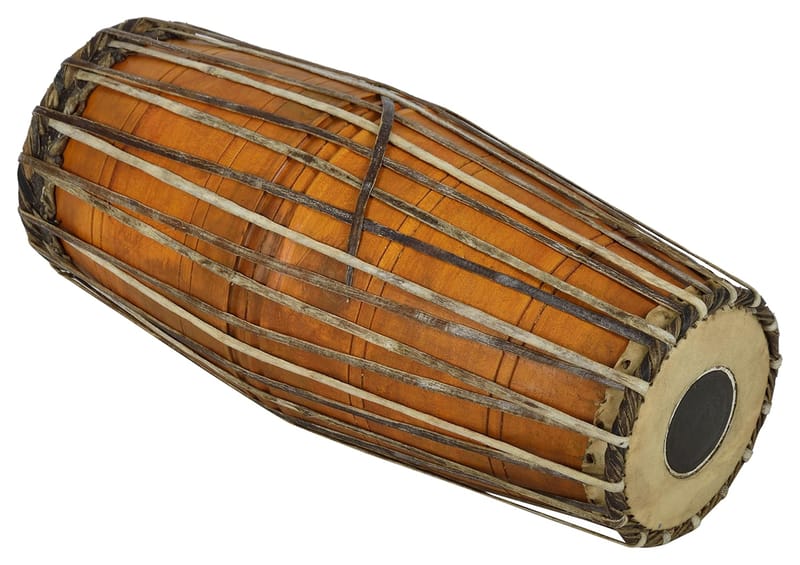
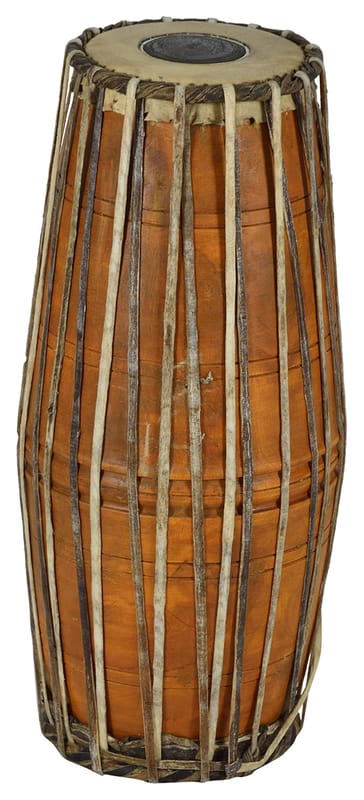
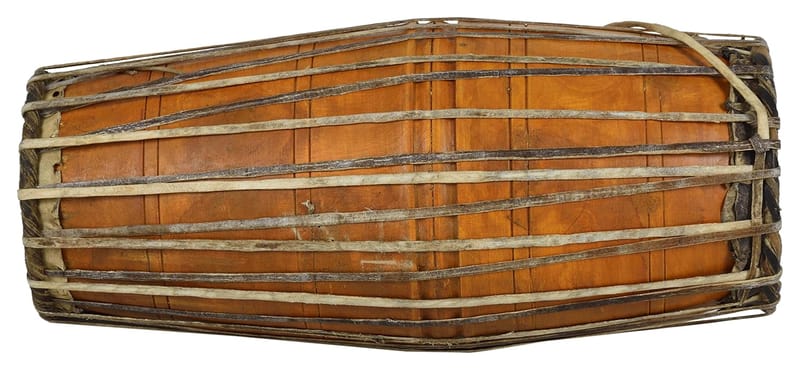
Mridangam
Special Features:
Nice sound & quality, made of wood.
Delivery Time: 12-15 Working Days after Successful Payment...
Read MoreMridangam
Special Features:
Nice sound & quality, made of wood.
Delivery Time: 12-15 Working Days after Successful Payment...
Read More| Country of origin | India |
|---|---|
| Brand | Calutta Musical |
| Net Quantity | 1 piece |
| Manufacturer or packer name | Calcutta Musical Depot |
Mridangam
Special Features:
Nice sound & quality, made of wood.
Delivery Time: 12-15 Working Days after Successful Payment.
For More information SMS 7800 Name Email Country and Send to +919830066661
N.B: All prices are inclusive of Shipping (International Air Mode)/ Packing/ Tax/ Insurance. No hidden cost. Read our Terms & Conditions, Privacy Policy and Shipping Policy.
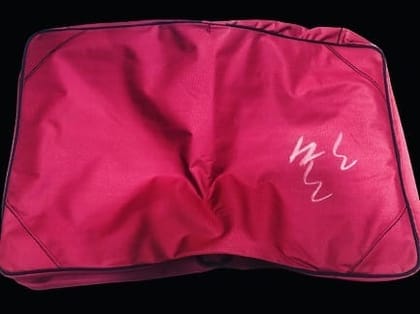
In The Box: Mridangam, Bag
From where we get Mridangam- Small history below:
Our knowledge about the instrument is from Wikipedia. As per Wikipedia, we shared this small history to let our customers know about the history. Musicians have played the mridangam, an ancient percussion instrument originating from the Indian subcontinent. Furthermore, it provides the primary rhythmic accompaniment in a Carnatic music ensemble. In contrast, in Dhrupad, a modified version, musicians use the pakhawaj as the primary percussion instrument. Similarly, musicians in Maritime Southeast Asia play a related instrument called the Kendang. Moreover, tuning it is complex and involves a lot of mathematics to construct korvais. Additionally, during a percussion ensemble, musicians often accompany the mridangam with the ghatam, the kanjira, and the morsing.
Over the years, artisans evolved the mridangam and made it from different kinds of wood for increased durability; consequently, today, builders construct its body from the wood of the jackfruit tree. Interestingly, people widely believe that musicians first constructed the tabla, the mridangam's Hindustani musical counterpart, by splitting a mridangam in half. As a result, with the development of the mridangam came the tala (rhythm) system. Notably, the mridangam plays a large role in Newa music. Finally, one of the earliest Nepal Bhasa manuscripts on music is a treatise on this instrument called Mridanga anukaranam.
Musicians have changed the range of its use over the years. For instance, in the old days, percussionists only accompanied the lead player, often the vocalist. However, now, musicians do not restrict its use to accompaniment, but instead use it for solo performances. This provides a basic history of the instrument.
| Country of origin | India |
|---|---|
| Material | wood |
| Brand | Calutta Musical |
| Common name | Mridangam |
| Net Quantity | 1 piece |
| Package Dimension | 85L x 40W x 40H cm |
| Manufacturer or packer name | Calcutta Musical Depot |
| Manufacturer or packer address | 28C, Shyama Prasad Mukherjee Road, Kolkata-700025, WB, India |
| Manufacturing Date | 2025 |
| contact details consumer care | Calutta Musical Depot, [email protected] |