Hunar SetuHunar Setu is a social initiative that connects skilled artisans and craftsmen with buyers, businesses, and communities that value their work. India’s artisans carry centuries of tradition, culture, and craftsmanship, but many of them struggle to access markets, technology, and fair opportunities. Hunar Setu was created to bridge this gap.https://www.hunarsetu.com/s/62ea2c599d1398fa16dbae0a/676523772eb3cf19c22b9674/hunarsetu1-logo-1--480x480.png
Vatika Business Park, Sector 49, Sohna Road122018GurugramIN
Hunar Setu
Vatika Business Park, Sector 49, Sohna RoadGurugram, IN
+918800503208https://www.hunarsetu.com/s/62ea2c599d1398fa16dbae0a/676523772eb3cf19c22b9674/hunarsetu1-logo-1--480x480.png"[email protected]
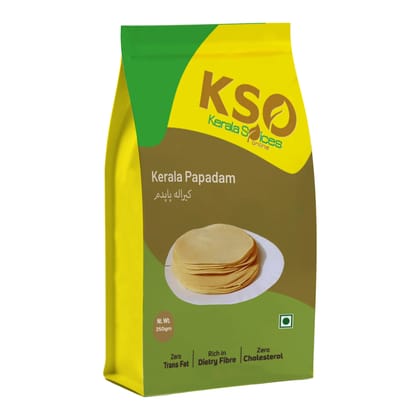
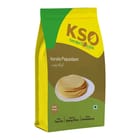
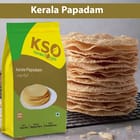
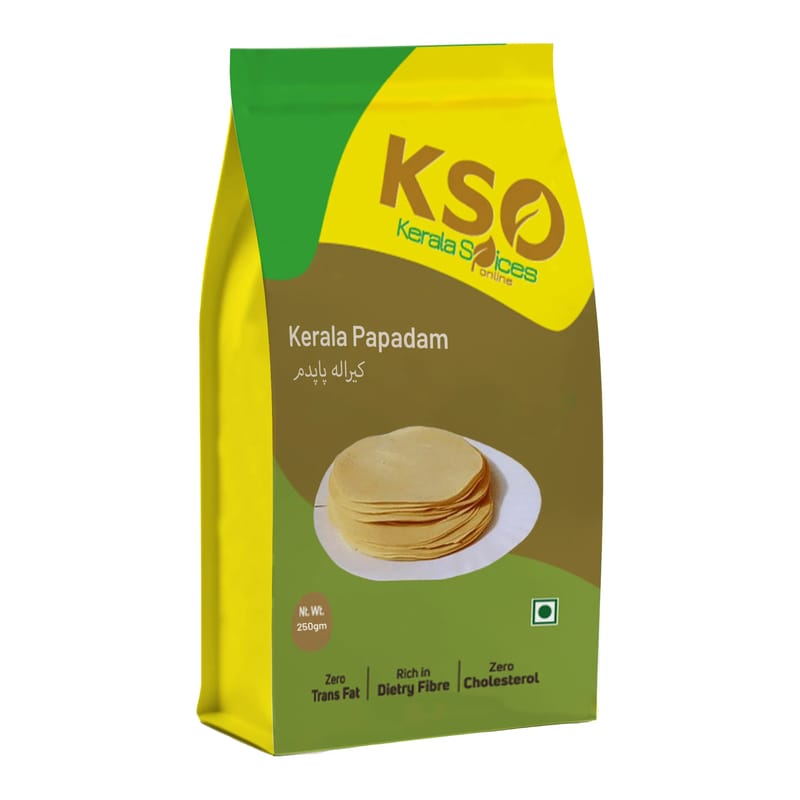
6a4e524842129b9faaf6e4d7Kerala Papadam/ Papad 250g

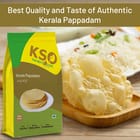
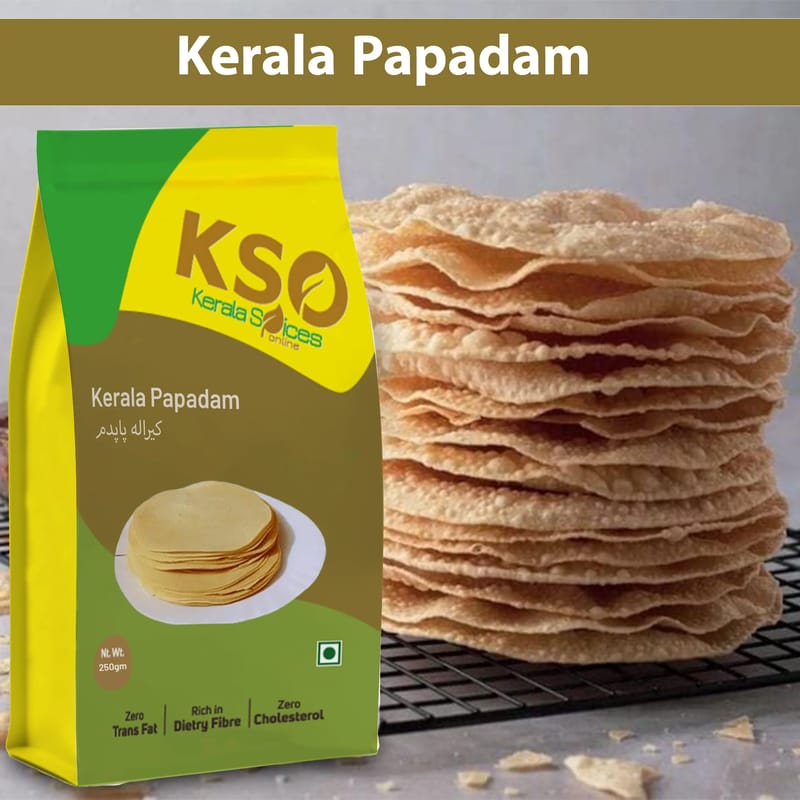
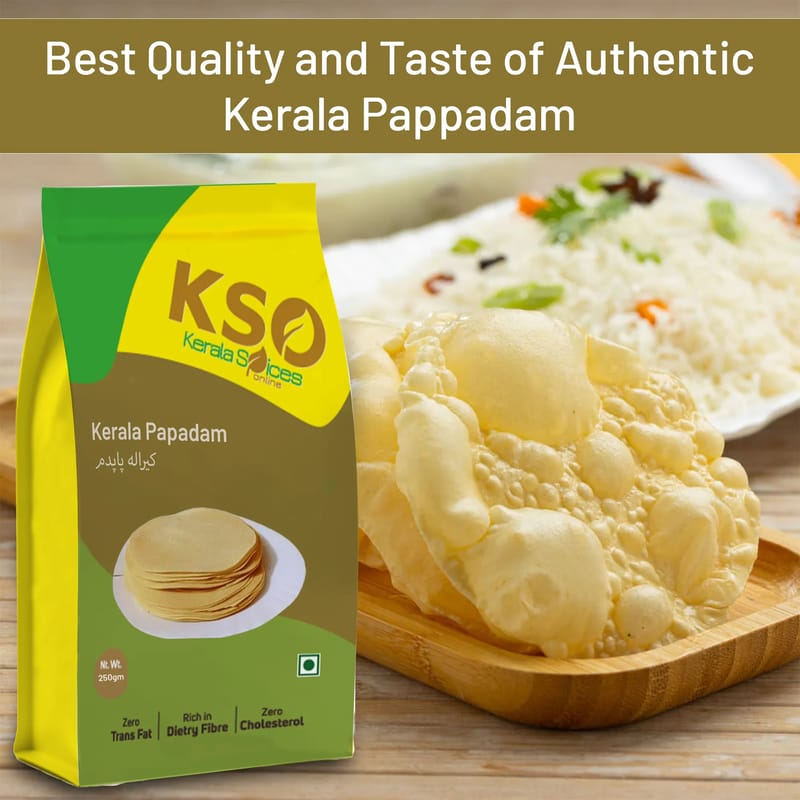
Authentic Kerala Papadam (Papad) – 250g


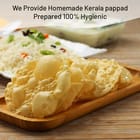
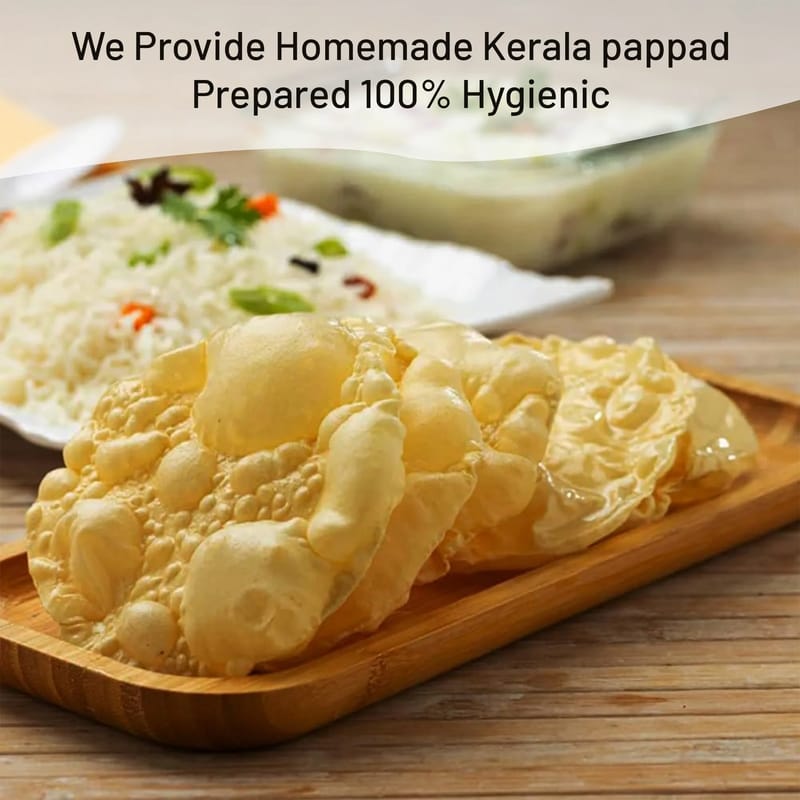
Our Kerala-style papad – locally called papadam or pappadam – is the traditional crispy disc that's been part of Kerala meals for centuries. Each 250g pack contains uniformly thin, perfectly cured papads made from urad dal flour, salt, and a hint of black pepper or cumin. Sourced from Kerala kitchens that still hand-roll each disc.


Unlike the larger, often heavily-spiced North Indian papads, Kerala papadams are smaller, thinner, plainer in flavor, and lighter on the palate – designed to complement (not compete with) the gentle flavors of Kerala rice, sambar, kalan, olan, and payasam.


Kerala Papad vs Other Papads


  • Kerala Papadam: Small (6–8 inch), thin, mildly salted, occasional black pepper. Fries lighter and crispier.

  • Punjabi Papad: Large (10–12 inch), thick, often spiced with green chili, cumin, or garlic.

  • Rajasthani Papad: Heavy spice (chili, ajwain), thicker, often used in curries (papad ki sabzi).

  • Bikaneri Papad: Long thin sticks, salty, often eaten as a snack.


Why Kerala Papad is a Sadya Essential


No Kerala sadya (traditional banana-leaf feast) is complete without papadam. It's typically served at the start of the meal, before the curries are ladled out. The crisp texture provides contrast to the soft rice and saucy accompaniments. During Onam and Vishu sadyas, papadam is the bridge between the dry pickles/banana chips and the wet curries.


How to Cook Kerala Papad


Method 1: Deep Fry (Traditional)


Heat 2 inches of oil (coconut oil preferred for authentic Kerala flavor) to medium-high. Slip one papad in – it should puff up and turn golden within 3–5 seconds. Flip once, remove immediately. Drain on paper towel. Eat warm.


Method 2: Microwave (Healthier)


Place 1 papad on the microwave plate. Cook on high for 30–45 seconds. It puffs without any oil. Watch closely — overcooking burns it.


Method 3: Direct Flame (Roasted)


Hold the papad with tongs over a gas flame on medium. Move continuously for 8–10 seconds until evenly puffed. Adds a smoky char flavor.


Method 4: Air Fryer


180°C for 1–2 minutes. Crispy with no oil. Perfect for a healthier snack.


Serving Ideas Beyond Sadya


  • Papadam chaat: Crush 4–5 papads, top with chopped onion, tomato, coriander, lemon, chaat masala

  • With drinks: Lightly fried papadam with tea, coffee, or evening cocktails

  • Crumbled over rice: Mix crushed papad into hot rice with ghee for added crunch

  • Soup topper: Crumble over rasam or tomato soup like croutons

  • Travel snack: Pre-fried papads stay crisp for 2–3 days in an airtight tin


Ingredients & Quality


Our Kerala papadams contain only urad dal flour, salt, cumin or black pepper, and papad khar (a traditional alkaline salt for crispness). No artificial colors, no preservatives, no chemicals. Sun-dried using traditional methods that have been used in Kerala households for generations.


Health Notes


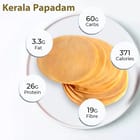
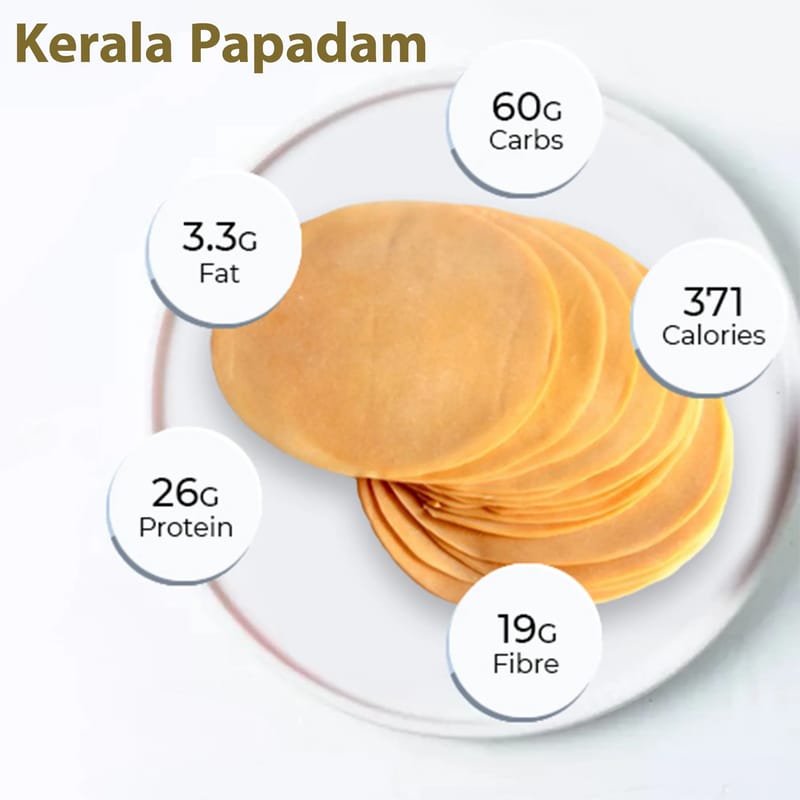
  • Protein source: Urad dal is high in plant protein

  • Low calorie roasted: A microwaved or flame-roasted papad has just 35–40 calories

  • Fried calories: Deep-fried papads run 70–90 calories depending on oil absorption

  • Sodium: Naturally salty due to the curing process — those watching sodium should consume moderately

  • Gluten-free: Made from urad dal, not wheat


Storage


Keep in a cool, dry place. Reseal the pack tightly after opening. Avoid humidity — papads absorb moisture and become floppy. Stored well, the pack stays crisp for 4–6 months. If they get a bit soft, sun-dry for an hour or microwave briefly to refresh.


FAQs


Q: How many papads in 250g?

Approximately 30–35 papads, depending on thickness. Enough for 8–10 family meals or a sadya for 12+ people.


Q: Can I get them ready-fried?

We ship raw (uncooked) papads. Pre-fried papads lose crispness quickly during transit. Frying or roasting at home takes seconds.


Q: Are these vegan?

Yes — no dairy, no egg, no honey. Plant-based and gluten-free.


Q: Do they contain garlic or onion?

No — these are plain Kerala papadams suitable for jain and sattvik diets. Just urad dal, salt, mild spices, and papad khar.


Q: Why does my papad burn before puffing?

Oil is too hot. Reduce heat to medium. Test with a small piece first — it should puff in 3–5 seconds, not turn brown immediately.


Order your Authentic Kerala Papad (250g) today and bring the taste of a Kerala sadya to your dining table. Free pan-India shipping, best prices.


KSOWS39
INR60In Stock

Authentic Kerala Papadam (Papad) – 250g


Our Kerala-style papad – locally called papadam or pappadam – is the traditional crispy disc that's been part of Kerala meals for centuries. ...

Read More

Key Attributes

Country of originIndia
BrandEmpire Spices and Foods Ltd
Net Quantity250 gram
Manufacturer or packer nameJacshinspices pvt ltd
View full attributes

Authentic Kerala Papadam (Papad) – 250g


Our Kerala-style papad – locally called papadam or pappadam – is the traditional crispy disc that's been part of Kerala meals for centuries. Each 250g pack contains uniformly thin, perfectly cured papads made from urad dal flour, salt, and a hint of black pepper or cumin. Sourced from Kerala kitchens that still hand-roll each disc.


Unlike the larger, often heavily-spiced North Indian papads, Kerala papadams are smaller, thinner, plainer in flavor, and lighter on the palate – designed to complement (not compete with) the gentle flavors of Kerala rice, sambar, kalan, olan, and payasam.


Kerala Papad vs Other Papads


  • Kerala Papadam: Small (6–8 inch), thin, mildly salted, occasional black pepper. Fries lighter and crispier.

  • Punjabi Papad: Large (10–12 inch), thick, often spiced with green chili, cumin, or garlic.

  • Rajasthani Papad: Heavy spice (chili, ajwain), thicker, often used in curries (papad ki sabzi).

  • Bikaneri Papad: Long thin sticks, salty, often eaten as a snack.


Why Kerala Papad is a Sadya Essential


No Kerala sadya (traditional banana-leaf feast) is complete without papadam. It's typically served at the start of the meal, before the curries are ladled out. The crisp texture provides contrast to the soft rice and saucy accompaniments. During Onam and Vishu sadyas, papadam is the bridge between the dry pickles/banana chips and the wet curries.


How to Cook Kerala Papad


Method 1: Deep Fry (Traditional)


Heat 2 inches of oil (coconut oil preferred for authentic Kerala flavor) to medium-high. Slip one papad in – it should puff up and turn golden within 3–5 seconds. Flip once, remove immediately. Drain on paper towel. Eat warm.


Method 2: Microwave (Healthier)


Place 1 papad on the microwave plate. Cook on high for 30–45 seconds. It puffs without any oil. Watch closely — overcooking burns it.


Method 3: Direct Flame (Roasted)


Hold the papad with tongs over a gas flame on medium. Move continuously for 8–10 seconds until evenly puffed. Adds a smoky char flavor.


Method 4: Air Fryer


180°C for 1–2 minutes. Crispy with no oil. Perfect for a healthier snack.


Serving Ideas Beyond Sadya


  • Papadam chaat: Crush 4–5 papads, top with chopped onion, tomato, coriander, lemon, chaat masala

  • With drinks: Lightly fried papadam with tea, coffee, or evening cocktails

  • Crumbled over rice: Mix crushed papad into hot rice with ghee for added crunch

  • Soup topper: Crumble over rasam or tomato soup like croutons

  • Travel snack: Pre-fried papads stay crisp for 2–3 days in an airtight tin


Ingredients & Quality


Our Kerala papadams contain only urad dal flour, salt, cumin or black pepper, and papad khar (a traditional alkaline salt for crispness). No artificial colors, no preservatives, no chemicals. Sun-dried using traditional methods that have been used in Kerala households for generations.


Health Notes


  • Protein source: Urad dal is high in plant protein

  • Low calorie roasted: A microwaved or flame-roasted papad has just 35–40 calories

  • Fried calories: Deep-fried papads run 70–90 calories depending on oil absorption

  • Sodium: Naturally salty due to the curing process — those watching sodium should consume moderately

  • Gluten-free: Made from urad dal, not wheat


Storage


Keep in a cool, dry place. Reseal the pack tightly after opening. Avoid humidity — papads absorb moisture and become floppy. Stored well, the pack stays crisp for 4–6 months. If they get a bit soft, sun-dry for an hour or microwave briefly to refresh.


FAQs


Q: How many papads in 250g?

Approximately 30–35 papads, depending on thickness. Enough for 8–10 family meals or a sadya for 12+ people.


Q: Can I get them ready-fried?

We ship raw (uncooked) papads. Pre-fried papads lose crispness quickly during transit. Frying or roasting at home takes seconds.


Q: Are these vegan?

Yes — no dairy, no egg, no honey. Plant-based and gluten-free.


Q: Do they contain garlic or onion?

No — these are plain Kerala papadams suitable for jain and sattvik diets. Just urad dal, salt, mild spices, and papad khar.


Q: Why does my papad burn before puffing?

Oil is too hot. Reduce heat to medium. Test with a small piece first — it should puff in 3–5 seconds, not turn brown immediately.


Order your Authentic Kerala Papad (250g) today and bring the taste of a Kerala sadya to your dining table. Free pan-India shipping, best prices.


Country of originIndia
BrandEmpire Spices and Foods Ltd
Common namePapad
Net Quantity250 gram
Additive infoRefer To Label
Package Dimension5L x 5W x 5H cm
Food typeveg
Manufacturer or packer nameJacshinspices pvt ltd
Manufacturer or packer addressJacshinspices pvt ltd
Manufacturing DateReferTo Label
IngredientsRefer To Label
Nutritional informationRefer To Label
contact details consumer careJacshin Spices pvt ltd, [email protected]