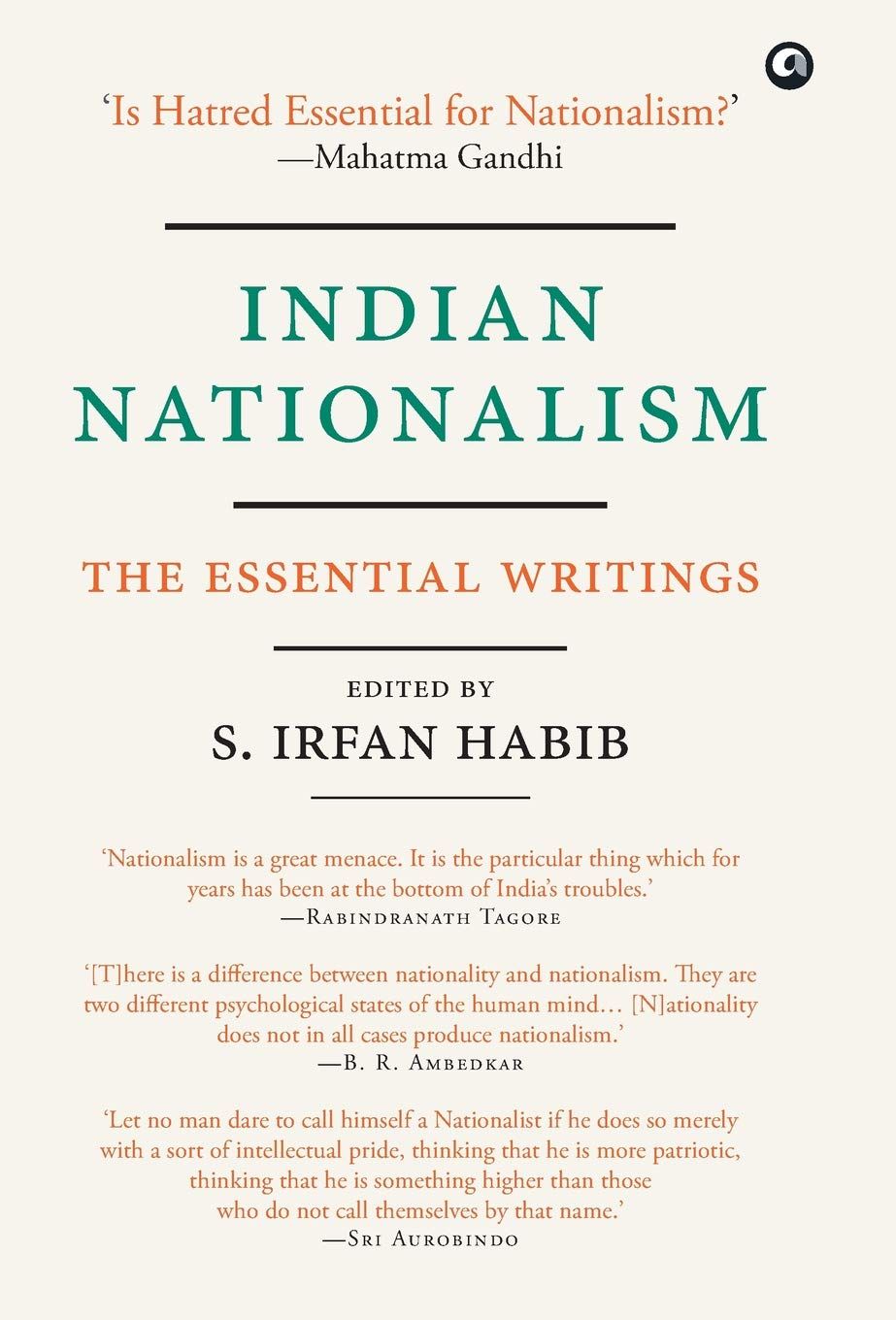

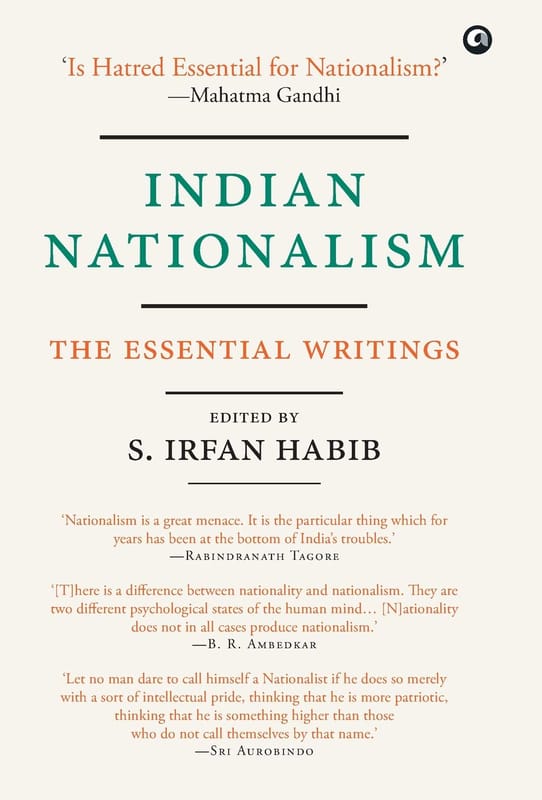
How do we define nationalism? Who is a good nationalist? Do you become anti-national if you criticize the government? These are questions that overwhelm most debates today, but these discussions are not new. And while theoudest voices would have u...
Read MoreIndian Nationalism: the Essential Writings
Key Attributes
| Country of origin | India |
|---|---|
| Brand | Rupa Publications |
| Net Quantity | 1 unit |
| Manufacturer or packer name | Aleph Book Company |
How do we define nationalism? Who is a good nationalist? Do you become anti-national if you criticize the government? These are questions that overwhelm most debates today, but these discussions are not new. And while theoudest voices would have us believe that Indian nationalism is (and has always been) a narrow, parochial, xenophobic one, our finest politicaleaders, thinkers, scientists and writers have been debating the concept since the early nineteenth century and come to a different conclusion. Nationalism as we understand it today first came into being more than a hundred years ago. Studied by historians, political scientists and sociologists for its role in world history, it remains one of the strongest driving forces in politics and also the most malleable one. A double-edged sword, it can be a binding force or a deeply divisive instrument used to cause strife around political, cultural,inguistic or, more importantly, religious identities. In this anthology, historian. Irfan Habib traces the growth and development of nationalism in India from theate nineteenth century through its various stages:iberal, religion-centric, revolutionary, cosmopolitan, syncretic, eclectic, rightiberal the views of our most important thinkers andeaders—Mahatma Gandhi, Jawaharlal Nehru. Rajagopalachari, Bhagat Singh, Bal Gangadhar Tilak, Sarojini Naidu, B. R. Ambedkar, Rabindranath Tagore, M. N. Roy, Maulana Azad, Jayaprakash Narayan and others remind us what nationalism should mean and the kind of inclusive, free and humanistic nation that we should continue to build.
| Country of origin | India |
|---|---|
| Brand | Rupa Publications |
| Common name | Books |
| Net Quantity | 1 unit |
| Package Dimension | 8.5L x 5.5W x 2H cm |
| Manufacturer or packer name | Aleph Book Company |
| Manufacturer or packer address | First Floor, 4259/3, Viraj Tower-, Ansari Road, Daryaganj, New Delhi, Central Delhi, Delhi, 110002 |
| Manufacturing Date | 2017-12-30 |
| ISBN | 9789386021052 |
| contact details consumer care | Rupa Publications India Pvt Ltd, [email protected] |
Other Products from seller Rupa Publications India Pvt Ltd

₹145₹195 ( 26% OFF )

₹215₹295 ( 27% OFF )

₹631₹895 ( 29% OFF )

₹495₹699 ( 29% OFF )
₹145₹195 ( 26% OFF )
₹145₹195 ( 26% OFF )
₹145₹195 ( 26% OFF )
₹145₹195 ( 26% OFF )
₹145₹195 ( 26% OFF )




₹354₹495 ( 28% OFF )