
Hunar SetuHunar Setu is a social initiative that connects skilled artisans and craftsmen with buyers, businesses, and communities that value their work. India’s artisans carry centuries of tradition, culture, and craftsmanship, but many of them struggle to access markets, technology, and fair opportunities. Hunar Setu was created to bridge this gap.https://www.hunarsetu.com/s/62ea2c599d1398fa16dbae0a/676523772eb3cf19c22b9674/hunarsetu1-logo-1--480x480.png
Vatika Business Park, Sector 49, Sohna Road122018GurugramIN
Hunar Setu
Vatika Business Park, Sector 49, Sohna RoadGurugram, IN
+918800503208https://www.hunarsetu.com/s/62ea2c599d1398fa16dbae0a/676523772eb3cf19c22b9674/hunarsetu1-logo-1--480x480.png"[email protected]
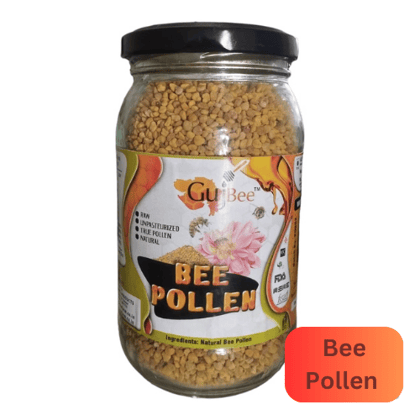
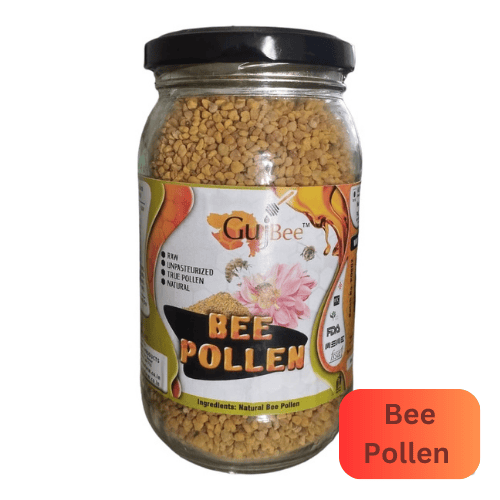
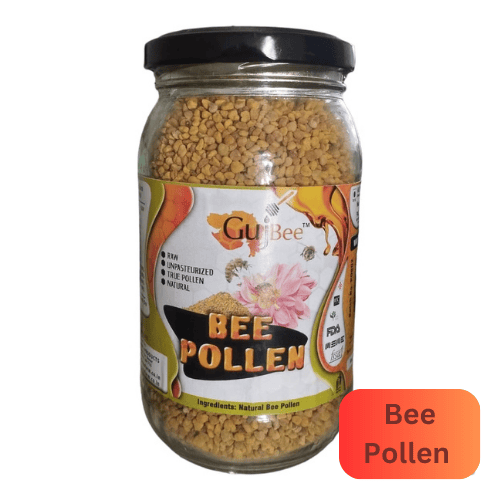
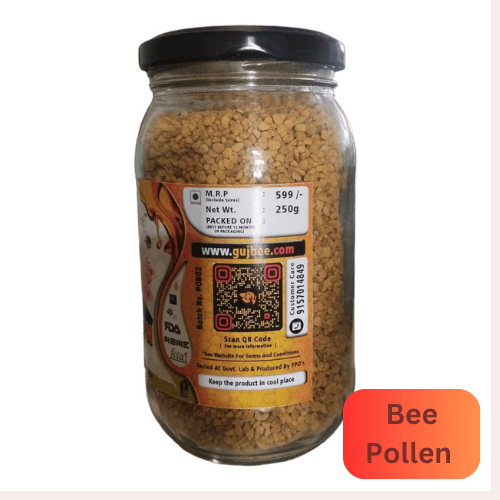
6521904e414e930b455e202cBee Pollen

Bee Pollen

Bee pollen is a natural substance collected by bees as they forage for nectar and pollen from flowers. It is considered a superfood because it is rich in nutrients and has been associated with various health benefits. Here are some key facts about bee pollen:

  1. Nutrient-Rich: Bee pollen contains a wide range of nutrients, including vitamins, minerals, proteins, carbohydrates, and fatty acids. It is particularly high in B vitamins, vitamin C, and essential amino acids.

  2. Antioxidant Properties: Bee pollen is rich in antioxidants, such as flavonoids and carotenoids, which help protect cells from damage caused by free radicals. This can have a positive impact on overall health.

  3. Potential Health Benefits: Some proponents of bee pollen suggest that it may have various health benefits, such as boosting the immune system, improving energy levels, enhancing athletic performance, and alleviating allergy symptoms. However, more research is needed to confirm these claims.

  4. Allergy Treatment: There is a controversial theory that consuming small amounts of bee pollen may help desensitize the body to pollen allergies. However, this approach should be undertaken with caution, as some individuals can have severe allergic reactions to bee pollen.

  5. Source of Protein: Bee pollen is a source of high-quality protein and is often used by bees as a food source for their larvae.

  6. Use in Traditional Medicine: Bee pollen has been used in traditional medicine systems, such as Traditional Chinese Medicine and Ayurveda, for its potential health benefits.

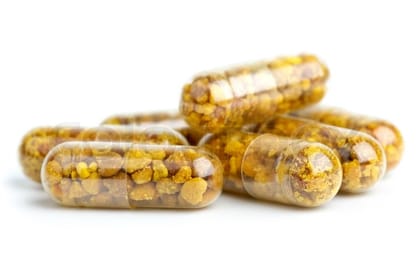
  7. Dietary Supplement: Bee pollen is available in various forms, including capsules, granules, and raw pollen. It is often taken as a dietary supplement, but it should be used with caution, especially by individuals with pollen allergies.

  8. Safety Considerations: Some people may experience allergic reactions to bee pollen, ranging from mild symptoms like itching and congestion to severe anaphylaxis. If you have pollen allergies or are unsure, it's best to consult a healthcare professional before consuming bee pollen.

BEE-POL-250
INR540In Stock

Bee Pollen

Bee pollen is a natural substance collected by bees as they forage for nectar and pollen from flowers. It is considered a superfood because it is rich in nutrients and has...

Read More

Key Attributes

Country of originIndia
Net Quantity250 gram
View full attributes

Bee Pollen

Bee pollen is a natural substance collected by bees as they forage for nectar and pollen from flowers. It is considered a superfood because it is rich in nutrients and has been associated with various health benefits. Here are some key facts about bee pollen:

  1. Nutrient-Rich: Bee pollen contains a wide range of nutrients, including vitamins, minerals, proteins, carbohydrates, and fatty acids. It is particularly high in B vitamins, vitamin C, and essential amino acids.

  2. Antioxidant Properties: Bee pollen is rich in antioxidants, such as flavonoids and carotenoids, which help protect cells from damage caused by free radicals. This can have a positive impact on overall health.

  3. Potential Health Benefits: Some proponents of bee pollen suggest that it may have various health benefits, such as boosting the immune system, improving energy levels, enhancing athletic performance, and alleviating allergy symptoms. However, more research is needed to confirm these claims.

  4. Allergy Treatment: There is a controversial theory that consuming small amounts of bee pollen may help desensitize the body to pollen allergies. However, this approach should be undertaken with caution, as some individuals can have severe allergic reactions to bee pollen.

  5. Source of Protein: Bee pollen is a source of high-quality protein and is often used by bees as a food source for their larvae.

  6. Use in Traditional Medicine: Bee pollen has been used in traditional medicine systems, such as Traditional Chinese Medicine and Ayurveda, for its potential health benefits.

  7. Dietary Supplement: Bee pollen is available in various forms, including capsules, granules, and raw pollen. It is often taken as a dietary supplement, but it should be used with caution, especially by individuals with pollen allergies.

  8. Safety Considerations: Some people may experience allergic reactions to bee pollen, ranging from mild symptoms like itching and congestion to severe anaphylaxis. If you have pollen allergies or are unsure, it's best to consult a healthcare professional before consuming bee pollen.

Country of originIndia
Common nameBee Pollen Supplement
Net Quantity250 gram
Weight500 g
contact details consumer careGujarat Beekeeper Development And Honey Producers Co Operative Society Ltd, [email protected]