Hunar SetuHunar Setu is a social initiative that connects skilled artisans and craftsmen with buyers, businesses, and communities that value their work. India’s artisans carry centuries of tradition, culture, and craftsmanship, but many of them struggle to access markets, technology, and fair opportunities. Hunar Setu was created to bridge this gap.https://www.hunarsetu.com/s/62ea2c599d1398fa16dbae0a/676523772eb3cf19c22b9674/hunarsetu1-logo-1--480x480.png
Vatika Business Park, Sector 49, Sohna Road122018GurugramIN
Hunar Setuhttps://www.hunarsetu.com
Vatika Business Park, Sector 49, Sohna RoadGurugram, IN
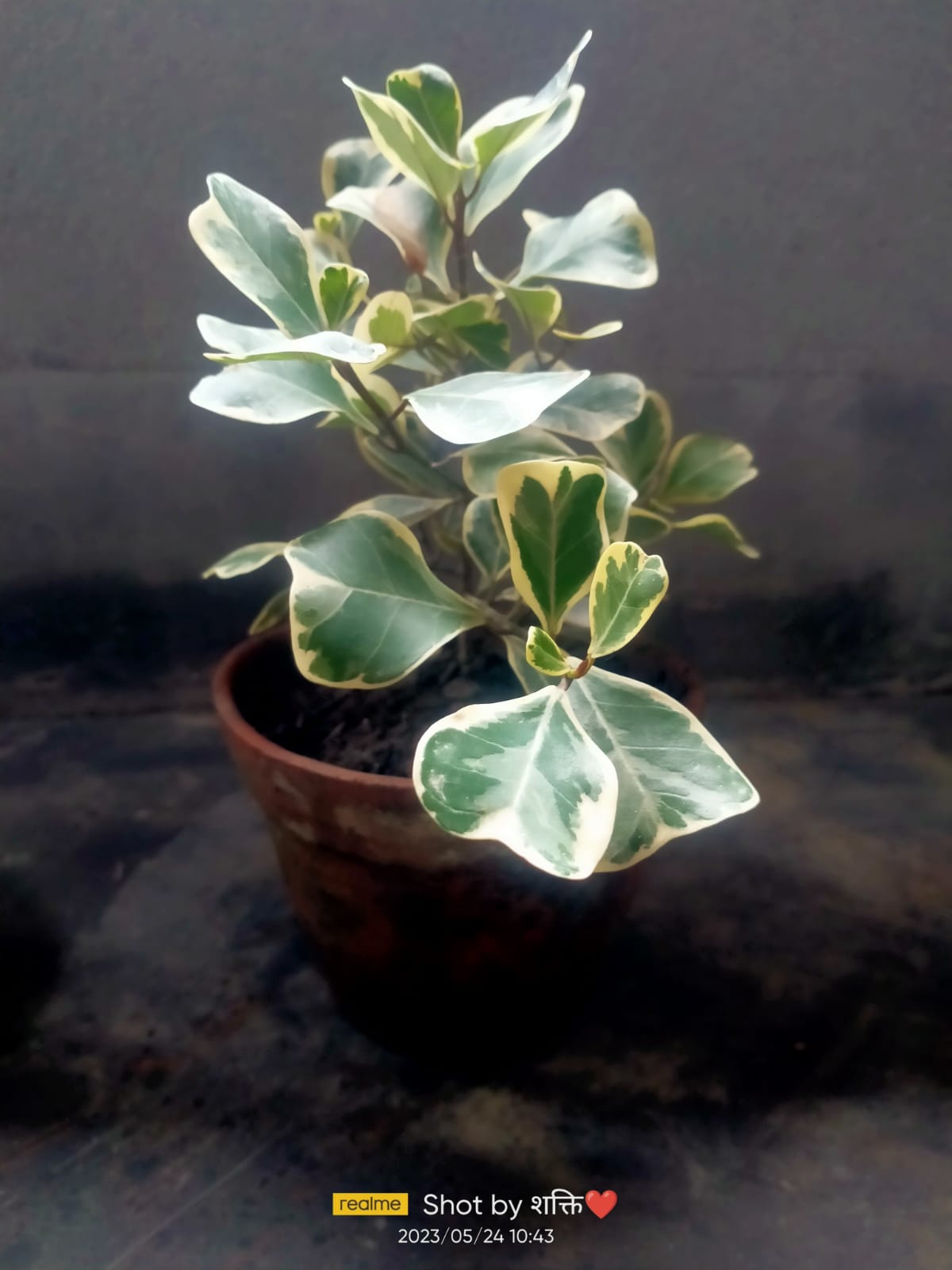
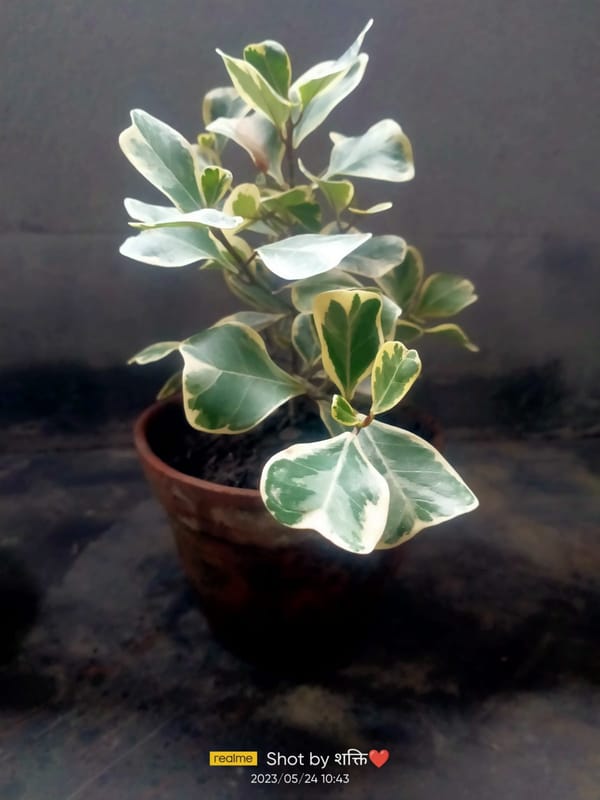
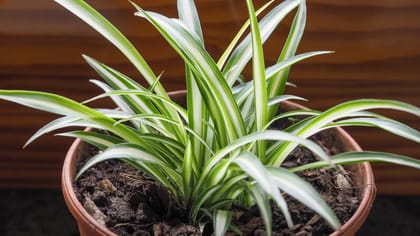
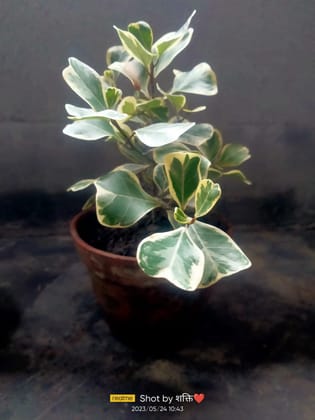
Light: Baby rubber plants thrive in medium to bright light to maintain their vibrant foliage colours. Direct sunlight should be avoided as it can burn the leaves.
Soil: Baby rubber plants are epiphytes, meaning they grow in the nooks of trees with roots in slightly decaying bark. To mimic these conditions, use a loose and acidic soil blend, such as an orchid potting mix or regular potting soil with added peat moss or vermiculite.
Water: With succulent leaves, Peperomia plants don’t require frequent watering. Allow the soil to dry out between waterings and avoid over-saturating the soil, which can lead to root rot.
Temperature and humidity: Baby rubber plants can’t handle freezing temperatures. As tropical plants, they prefer a warm and humid environment, especially in the summer months. To increase humidity, place the plant on a tray of pebbles and water or invest in a small humidifier.
Fertiliser: Baby rubber plants grow slowly and can go their entire lives without supplemental fertiliser, getting what they need from the potting soil. If you do choose to fertilise, less is more.
Light: Baby rubber plants thrive in medium to bright light to maintain their vibrant foliage colours. Direct sunlight should be avoided as it can burn the leaves.
Soil: Baby rubber plants are epiphytes, meaning they grow in the nooks of trees with roots in slightly decaying bark. To mimic these conditions, use a loose and acidic soil blend, such as an orchid potting mix or regular potting soil with added peat moss or vermiculite.
Water: With succulent leaves, Peperomia plants don’t require frequent watering. Allow the soil to dry out between waterings and avoid over-saturating the soil, which can lead to root rot.
Temperature and humidity: Baby rubber plants can’t handle freezing temperatures. As tropical plants, they prefer a warm and humid environment, especially in the summer months. To increase humidity, place the plant on a tray of pebbles and water or invest in a small humidifier.
Fertiliser: Baby rubber plants grow slowly and can go their entire lives without supplemental fertiliser, getting what they need from the potting soil. If you do choose to fertilise, less is more.