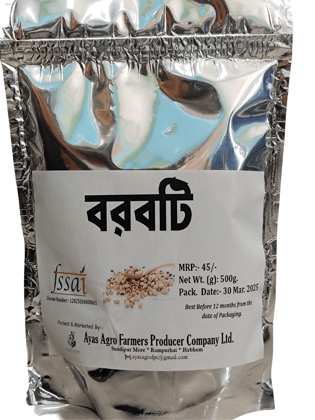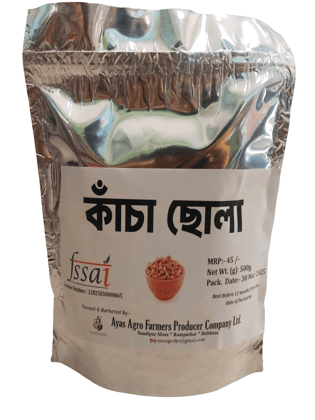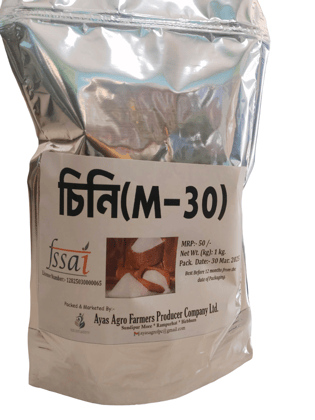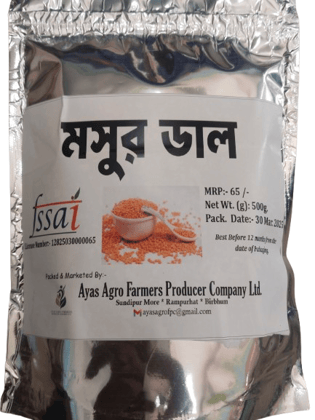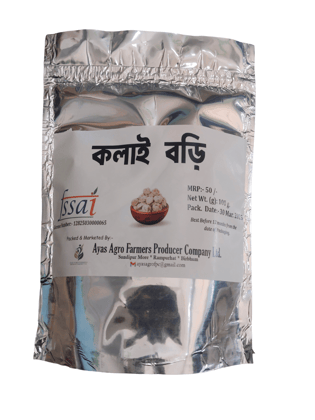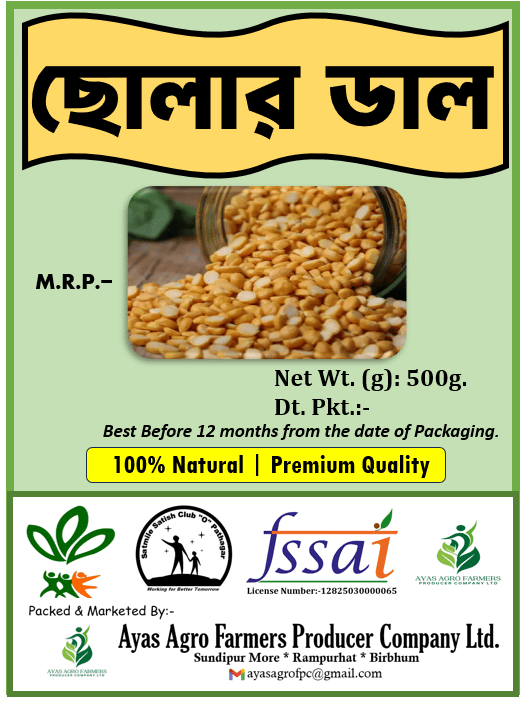

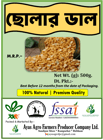
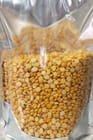
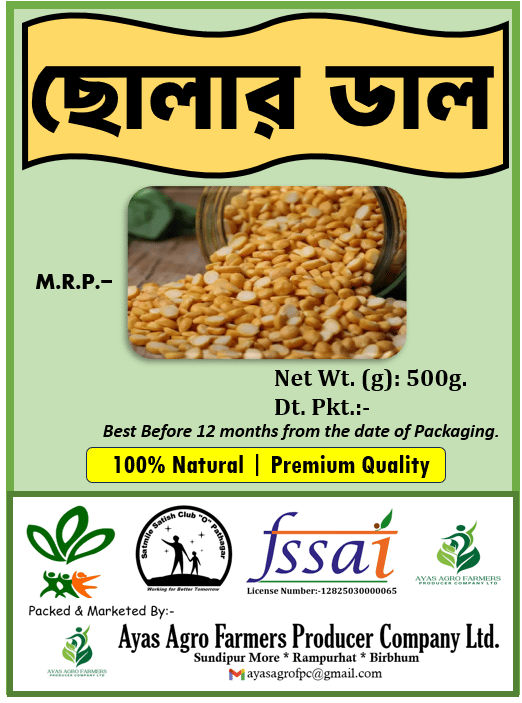
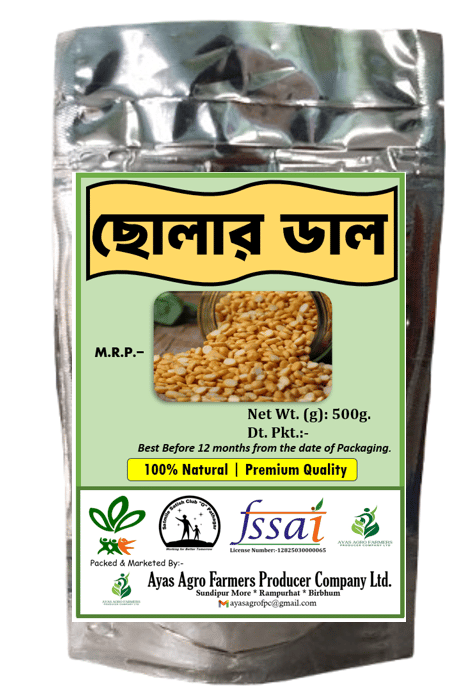

- Base Ingredient: The heart of Cholar Dal is chana dal (split Bengal gram)
विक्रेता
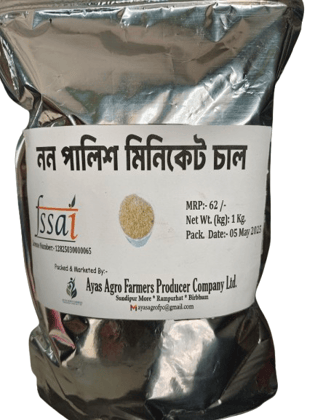
Cholar Dal (chickpeas) - 500 Gm
मुख्य विशेषताएं
| उद्गम देश | भारत |
|---|---|
| शुद्ध मात्रा | 500 gram |
| उत्पाद आयाम | 24L x 16W x 24H cm |
| निर्माता या पैकर का नाम | Ayas Agro Farmers Producer Company Limited |
- Base Ingredient: The heart of Cholar Dal is chana dal (split Bengal gram).
These are medium-sized, yellowish, split lentils that, when cooked, retain some of their shape, providing a pleasant texture rather than a completely mushy consistency. - Flavor Profile: The hallmark of authentic Bengali Cholar Dal is its delightful balance of sweet and savory.
A touch of sugar (or sometimes jaggery) is typically added, which might seem unusual for a lentil dish to those unfamiliar with Bengali cuisine, but it perfectly complements the earthy and spicy notes from the other ingredients. The sweetness is subtle, not overpowering, and serves to round out the flavors. - Aroma and Spices: Cholar Dal is intensely aromatic.
It's usually tempered (tarka/phoron) with whole spices in ghee or mustard oil, which might include: - Bay leaves (Tej Pata)
- Dry red chilies (Shukno Lanka)
- Cumin seeds (Jeera)
- Cinnamon (Dalchini)
- Green cardamom (Choto Elaich)
- Cloves (Lobongo)
- Asafoetida (Hing)
- Fresh ginger paste is almost always included, adding a pungent freshness.
- Texture and Consistency: While the chana dal is cooked until tender, it's generally aimed for the dal grains to remain largely intact rather than becoming completely mushy.
This gives Cholar Dal a satisfying, slightly chunky consistency, making it substantial. The consistency can vary from slightly thicker to more soupy depending on personal preference and what it's being served with. - Signature Additions: Two ingredients are crucial for defining Bengali Cholar Dal:
- Grated or small slices of fresh coconut (Narkel): These are often fried until lightly golden before being added, providing a sweet, nutty crunch and enriching the flavor.
- Raisins (Kishmish): These are also often fried briefly and add bursts of natural sweetness, further enhancing the sweet-savory balance.
- Sometimes, small potato cubes are also added.
- Grated or small slices of fresh coconut (Narkel): These are often fried until lightly golden before being added, providing a sweet, nutty crunch and enriching the flavor.
Culinary Significance in West Bengal:
Cholar Dal is much more than an everyday lentil dish in West Bengal; it's intrinsically linked with special occasions and cherished meals:
- Festival Food: It's a staple during festivals like Durga Puja, Kali Puja, and other auspicious occasions.
- Breakfast/Brunch Special: Cholar Dal is famously paired with Luchi (fluffy deep-fried flatbreads) for a quintessential Bengali breakfast or brunch.
The rich, slightly sweet dal perfectly complements the plain, crispy Luchi. - Accompaniment: It can also be served with Radhaballabhi (stuffed puris), Paratha, or even steamed rice, especially alongside niramish (vegetarian, no onion/garlic) preparations.
Health Benefits:
Being made from chana dal, Cholar Dal offers a good nutritional profile:
- High in Protein: Chana dal is an excellent plant-based source of protein, essential for muscle health and overall body functions.
- Rich in Fiber: It provides significant dietary fiber, aiding digestion, promoting satiety, and helping to regulate blood sugar levels.
- Good Source of Minerals: Chana dal contains important minerals like iron (aiding in preventing anemia), magnesium, phosphorus, and zinc, all vital for bone health, energy metabolism, and immune function.
- Vitamins: It's also a source of B-vitamins, particularly folate (Vitamin B9) and Vitamin B6, which are crucial for brain and nerve function.
- Complex Carbohydrates: Provides sustained energy.
In summary, Cholar Dal is a beloved Bengali lentil dish that stands out for its unique blend of sweet and savory flavors, rich aroma from whole spices, and the delightful additions of coconut and raisins.
| उद्गम देश | भारत |
|---|---|
| साधारण नाम | CHOLAR DAL (CHICKPEAS) |
| शुद्ध मात्रा | 500 gram |
| वज़न | 500 g |
| पैकेज आयाम | 24L x 16W x 24H cm |
| उत्पाद आयाम | 24L x 16W x 24H cm |
| निर्माता या पैकर का नाम | Ayas Agro Farmers Producer Company Limited |
| निर्माता या पैकर का पता | PLOT NO- 904 , KHATIYAN NO- 3227, JL NO- 079,,Rampurhat |
| निर्माण तिथि | June |
| संपर्क विवरण उपभोक्ता देखभाल | Ayas Agro Farmers Producer Company Limited, [email protected] |
विक्रेता के अन्य उत्पाद अयास एग्रो फार्मर प्रोड्यूसर कंपनी लिमिटेड
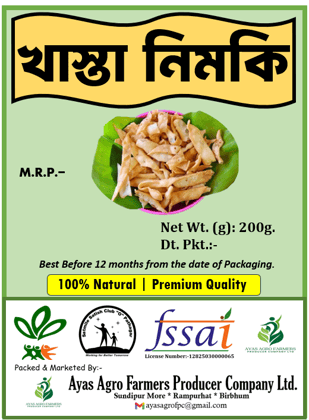

₹40₹42 ( 5% बंद )
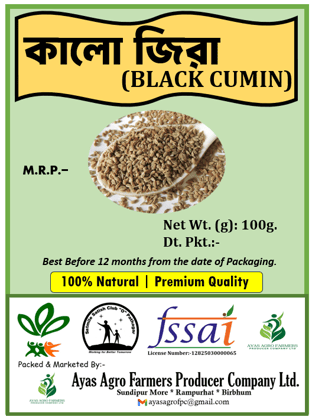
₹18₹20 ( 10% बंद )
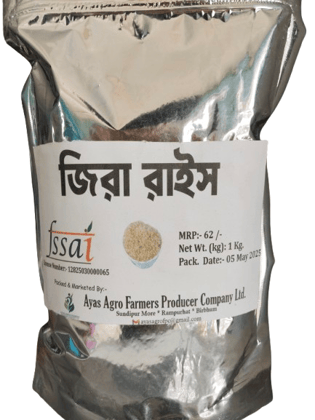
₹75₹78 ( 4% बंद )
₹95₹110 ( 14% बंद )
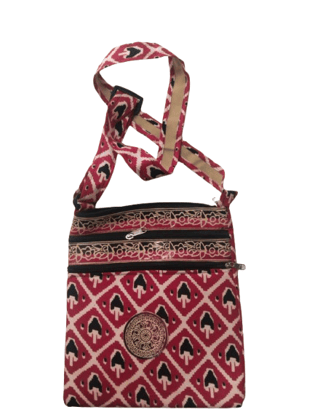
₹190₹249 ( 24% बंद )
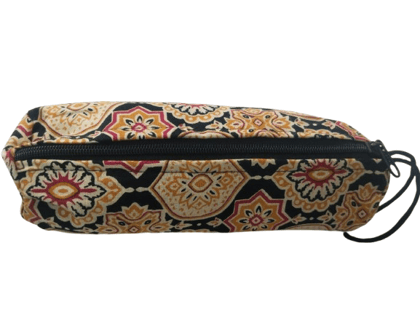
₹110₹199 ( 45% बंद )
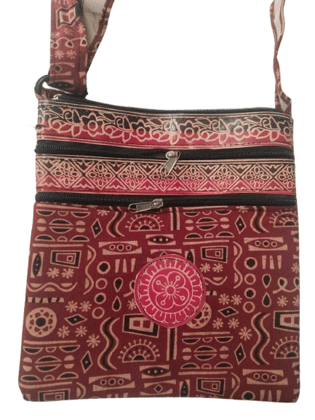
₹220₹299 ( 26% बंद )
₹160₹249 ( 36% बंद )
₹399₹599 ( 33% बंद )