Hunar SetuHunar Setu is a social initiative that connects skilled artisans and craftsmen with buyers, businesses, and communities that value their work. India’s artisans carry centuries of tradition, culture, and craftsmanship, but many of them struggle to access markets, technology, and fair opportunities. Hunar Setu was created to bridge this gap.https://www.hunarsetu.com/s/62ea2c599d1398fa16dbae0a/676523772eb3cf19c22b9674/hunarsetu1-logo-1--480x480.png
Vatika Business Park, Sector 49, Sohna Road122018GurugramIN
Hunar Setuhttps://www.hunarsetu.com
Vatika Business Park, Sector 49, Sohna RoadGurugram, IN
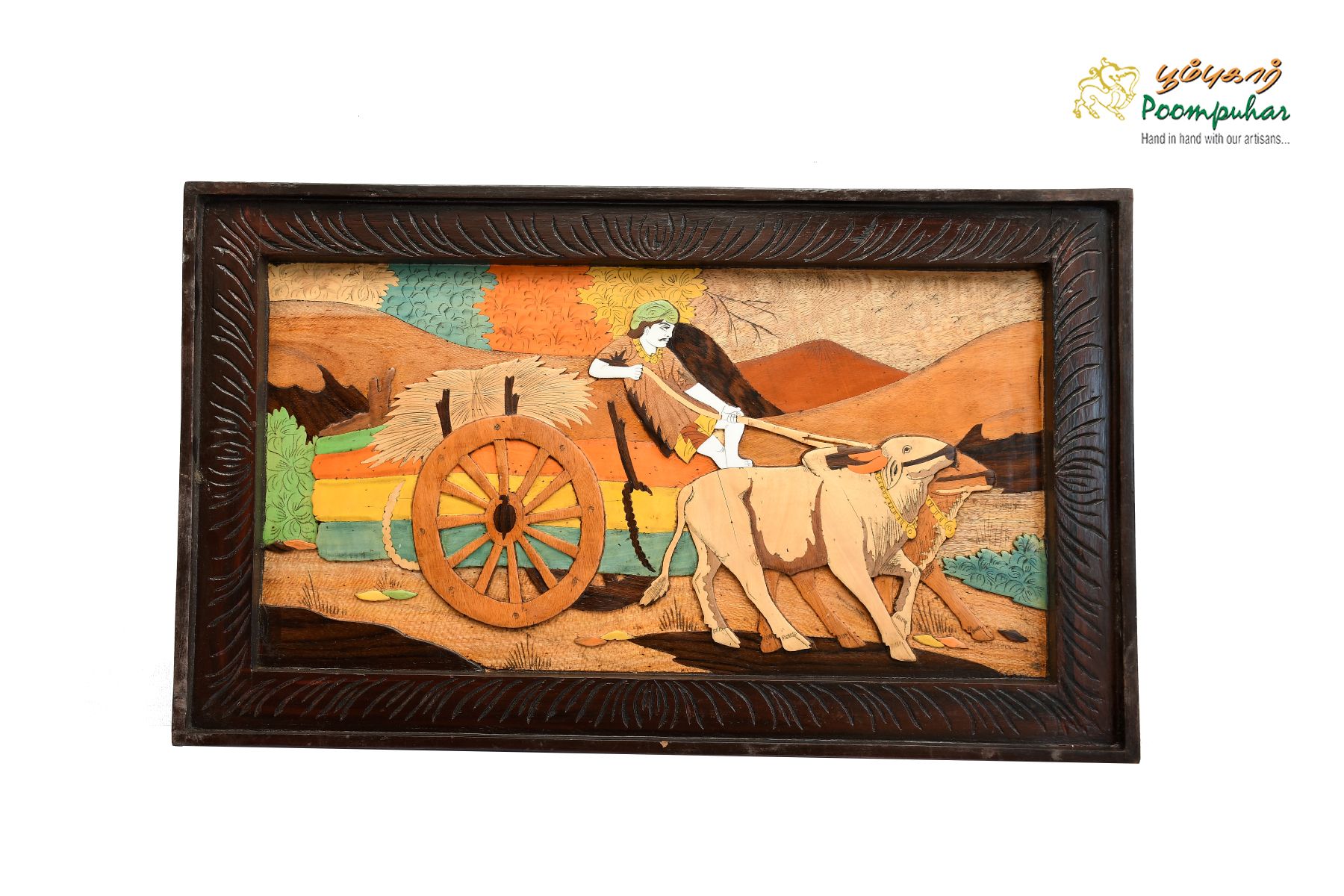
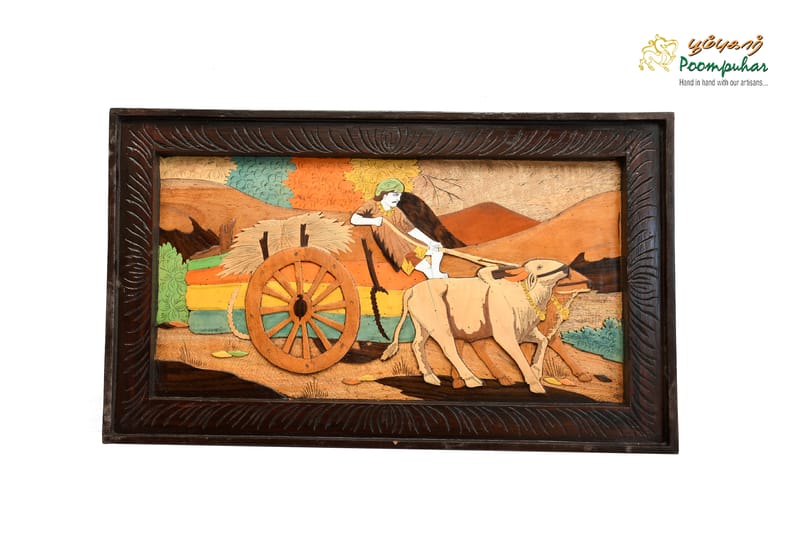
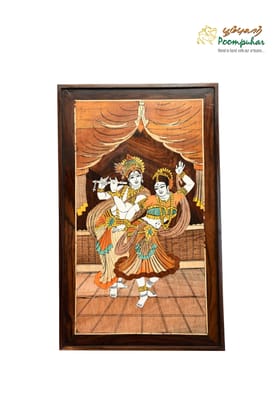
6564601e3a8b90181481c464ROSEWOOD PANEL BULLOCK CART 18X24 INCH
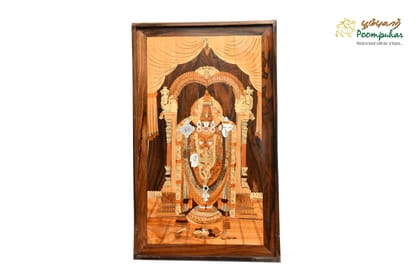
This rosewood inlay depicts Lord Ganesha sitting on a throne, or asana Ganpathi. His trunk is to the right, which means it is an pingala nadi Ganesha. Different shades of rosewood have been used for the inlay work to create this piece of art. Each piece of rosewood is unique, as the size and shape of the wood can vary. Also, while the motif that is depicted might be consistent, the grain of the wood, its shades, and texture will always vary. So you can rest assured that when you buy a rosewood inlay, you are buying a one-of-a-kind piece. It is crafted by artisans in Mysuru, Karnataka. They decorate the surface of a smoothed piece of wood by setting in pieces of contrasting colours such as ivory, bone, plastic, and wood in other shades. Rosewood inlay developed into an art form under the patronage of Maharaja Jayachamraja Wodeyar Bahadur of the Wodeyar dynasty in the princely state of Mysore. According to some sources, a master craftsman called Mir Shokat Ali came up with the innovative technique of using pieces of rosewood with different shades to create stunning countryside scenes that were different from the earlier geometric patterns. This was in addition to the technique of using elephant ivory that was inlaid into the rosewood base.
This rosewood inlay depicts Lord Ganesha sitting on a throne, or asana Ganpathi. His trunk is to the right, which means it is an pingala nadi Ganesha. Different shades of rosewood have been used for...
This rosewood inlay depicts Lord Ganesha sitting on a throne, or asana Ganpathi. His trunk is to the right, which means it is an pingala nadi Ganesha. Different shades of rosewood have been used for the inlay work to create this piece of art. Each piece of rosewood is unique, as the size and shape of the wood can vary. Also, while the motif that is depicted might be consistent, the grain of the wood, its shades, and texture will always vary. So you can rest assured that when you buy a rosewood inlay, you are buying a one-of-a-kind piece. It is crafted by artisans in Mysuru, Karnataka. They decorate the surface of a smoothed piece of wood by setting in pieces of contrasting colours such as ivory, bone, plastic, and wood in other shades. Rosewood inlay developed into an art form under the patronage of Maharaja Jayachamraja Wodeyar Bahadur of the Wodeyar dynasty in the princely state of Mysore. According to some sources, a master craftsman called Mir Shokat Ali came up with the innovative technique of using pieces of rosewood with different shades to create stunning countryside scenes that were different from the earlier geometric patterns. This was in addition to the technique of using elephant ivory that was inlaid into the rosewood base.
Country of origin
India
Brand
POOMPUHAR
Common name
ROSEWOOD PANEL
Net Quantity
1 unit
Manufacturer or packer name
THE TAMILNADU HANDICRAFTS DEVELOPMENT CORPORATION LIMITED